
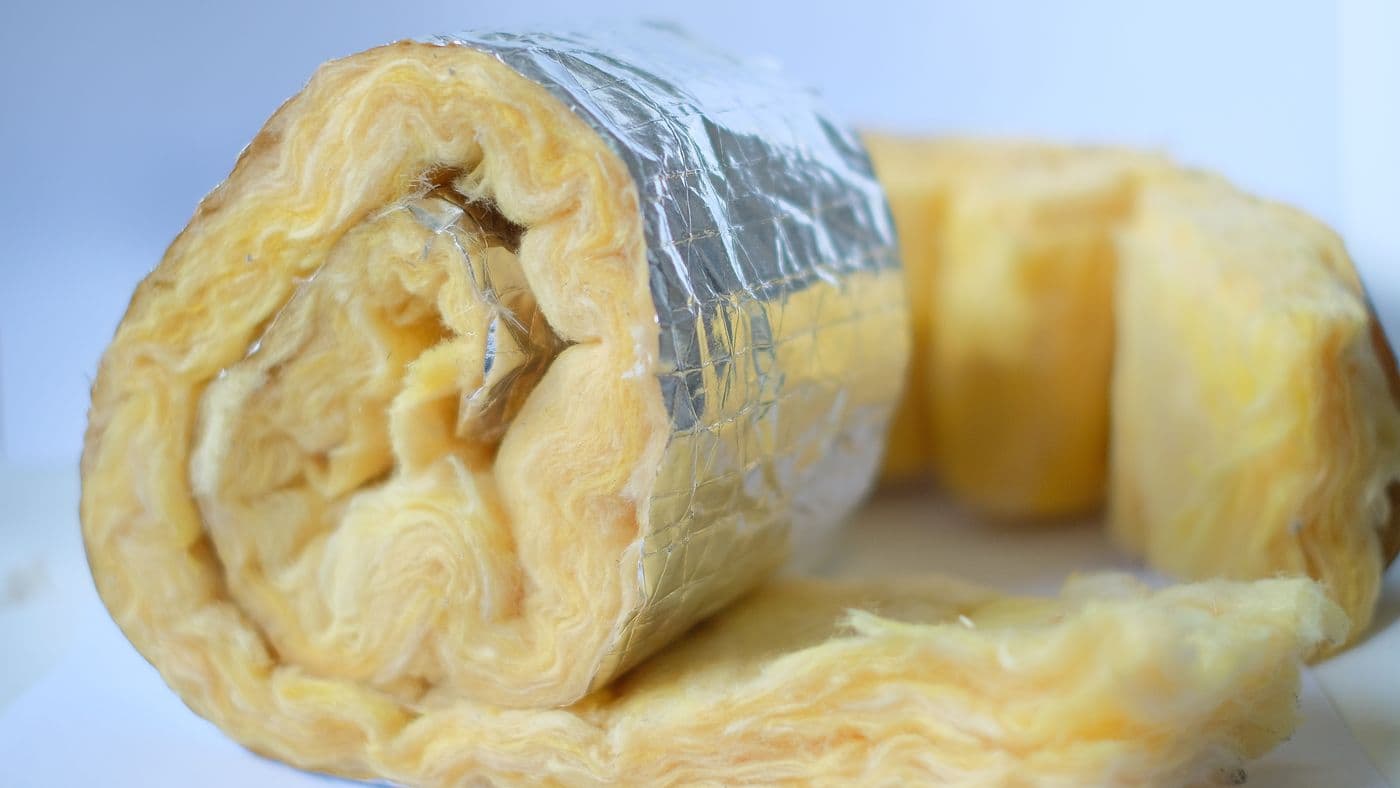
The CPSC says asbestos in a home is usually not a serious problem. The danger starts when old asbestos material becomes damaged and releases fibers that can be breathed in. According to the CPSC guide, the best thing to do with asbestos material in good condition is to leave it alone. This matters most to people who live in older homes or plan a remodel.
What Is the Hazard?
Asbestos is a mineral fiber. Only a special type of microscope can positively identify it. In the past it was added to many products to make them stronger and to give heat insulation and fire resistance.
The CPSC says the evidence about health effects comes from people exposed in factories and shipyards. Breathing high levels of fibers can raise the risk of lung cancer, mesothelioma and asbestosis. Mesothelioma is a cancer of the lining of the chest and abdominal cavity. Asbestosis is scarring of the lungs. The lung cancer risk is greater if you smoke. Symptoms usually do not appear until about 20 to 30 years after the first exposure. The CPSC says most people exposed to small amounts do not develop these problems.
Material that crumbles easily when handled is more likely to create a hazard. So is material that has been sawed, scraped or sanded into powder.
Where Might Asbestos Be in a Home?
The CPSC says most products made today do not contain asbestos. The few that still contain inhalable asbestos must be labeled. Until the 1970s many building products and insulation materials used in homes contained it. The CPSC lists these possible sources:
- Steam pipes and boilers wrapped in an asbestos blanket or tape in older houses
- Houses built between 1930 and 1950 that may have asbestos insulation
- Vinyl floor tiles and the backing on vinyl sheet flooring and the adhesives used to install them
- Textured paint and patching compounds for walls and ceilings (their use was banned in 1977)
- Asbestos cement roofing and shingles and siding
- Insulation around furnaces and woodburning stoves and door gaskets on furnaces and stoves
- Artificial ashes and embers for gas-fired fireplaces
- Older items such as stove-top pads and fireproof gloves and ironing board covers
What Should You Do?
- Do not panic. If the material is in good condition leave it alone.
- Check suspect material regularly without touching it. Look for tears and abrasions and water damage.
- If the damage is slight limit access to the area and do not touch or disturb it.
- Discard damaged or worn asbestos gloves and stove-top pads and ironing board covers. Ask local health or environmental officials how to handle and dispose of them.
- You cannot tell by looking whether a material has asbestos unless it is labeled. If in doubt treat it as if it does or have a qualified professional sample it. The CPSC does not recommend taking samples yourself.
- If the material is more than slightly damaged or you plan changes that might disturb it call a professional for repair or removal. Find out whether asbestos is present before a remodel.
- Do not dust or sweep or vacuum debris that may contain asbestos. Remove dust by wet mopping or with a special HEPA vacuum used by trained asbestos contractors.
- Do not saw or sand or scrape or drill holes in asbestos materials. Do not sand or level asbestos flooring. When flooring needs replacing install new floor covering over it if possible.
- Do not track possibly asbestos-containing material through the house. If a damaged area or a large area must be cleaned call an asbestos professional.
- Check credentials before you hire. Ask for proof of training and licensing and for references. Get cost estimates from several professionals. The CPSC says some firms have wrongly claimed that asbestos in homes must be replaced. Unnecessary removals waste money and improper removals may increase health risks.
- Get a written contract before work starts. The CPSC says workers must wear approved respirators and gloves and protective clothing. Household members and pets should stay out until the work is done.
Source:https://www.cpsc.gov/safety-education/safety-guides/home/asbestos-home