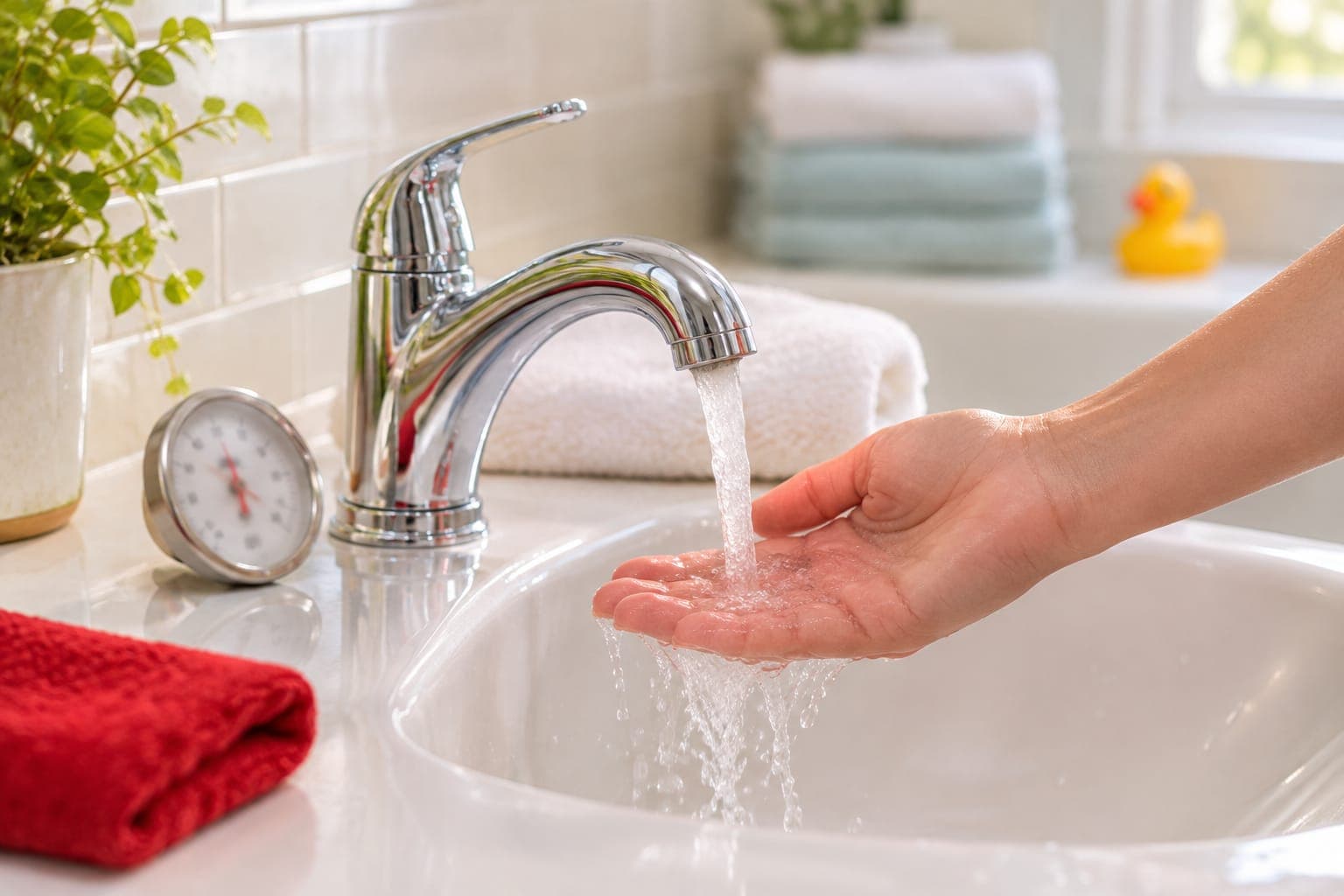
The CPSC says the majority of injuries and deaths from tap water scalds happen to the elderly and to children under the age of five. Hot water from the faucet can burn skin much faster than many people think.
The CPSC urges all users to lower their water heaters to 120 degrees Fahrenheit. Besides helping prevent accidents, the CPSC says the lower temperature will conserve energy and save money.
What Is the Hazard?
Water that is too hot can cause third-degree burns in seconds. The CPSC gives these burn times for most adults:
- 150 degree water: third-degree burns after two seconds of exposure.
- 140 degree water: burns after six seconds of exposure.
- 130 degree water: burns after thirty seconds of exposure.
- 120 degree water: even at this setting, a five minute exposure could result in third-degree burns.
Who Is Most at Risk?
The CPSC says most injuries and deaths involving tap water scalds are to the elderly and children under the age of five. The CPSC does not give a number for this.
What Should You Do?
The CPSC says a thermostat setting of 120 degrees Fahrenheit (49 degrees Celsius) may be necessary for residential water heaters to reduce or eliminate the risk of most tap water scald injuries. It also says consumers should consider lowering the thermostat to the lowest setting that will satisfy hot water needs for all clothing and dish washing machines. The CPSC offers these suggestions, which depend on how your home heats water.
If you have an electric water heater:
- Call your local electric company to adjust the thermostat. Some companies offer this service at no charge.
- Do not use hot water for at least two hours before the setting is made.
- To adjust it yourself, first shut off current to the water heater. Turn off the circuit breaker to the heater or remove the fuse that serves it.
- Remove the upper and lower access panels to reach the thermostats. Most electric water heaters have two thermostats, and both must be set to a common temperature for proper operation.
- Adjust the thermostat following the instructions that came with the appliance.
- Hold a candy or meat thermometer under the faucet to check the water temperature.
If you have a gas water heater:
- Thermostats differ, so call your local gas company for instructions.
- If precise temperatures are not given, hold a candy or meat thermometer under the faucet. The most accurate reading is first thing in the morning or at least two hours after water use.
- If the reading is too high, adjust the thermostat on the heater according to the manufacturer's instructions. Then check again with the thermometer.
If you have a furnace heater:
- If you do not have an electric, gas, or oil-fired water heater, you probably have an on-line hot water system. Contact your fuel supplier to have the temperature lowered.
- If you live in an apartment, contact the building manager to discuss options for lowering your tap water temperature.
- The CPSC says reducing water temperature will not affect the heating capacity of the furnace.
Whatever system you have, the CPSC also says:
- Never take hot water temperature for granted.
- Always hand-test the water before using it, especially when bathing infants and young children.
- Never leave a child unsupervised in the bathroom. Even a second could cause serious injuries.
- Your presence at all times is the best defense against accidents and scalding to infants and young children.
Source:https://www.cpsc.gov/safety-education/safety-guides/kids-and-babies-home/avoiding-tap-water-scalds