The CPSC says the air inside your home can be even more polluted than the air outside. Many Americans spend up to 90 percent of their time indoors, often at home. Cooking, heating, cooling, cleaning and redecorating can all release and spread indoor pollutants. Biological pollutants are one of the biggest concerns.
What Is the Hazard?
Biological pollutants are or were living organisms. Common ones include animal dander, dust mite and cockroach parts, bacteria and viruses, and pollen. They can travel through the air and are often invisible. The CPSC says some of them are in every home, and even a spotless home can allow them to grow.
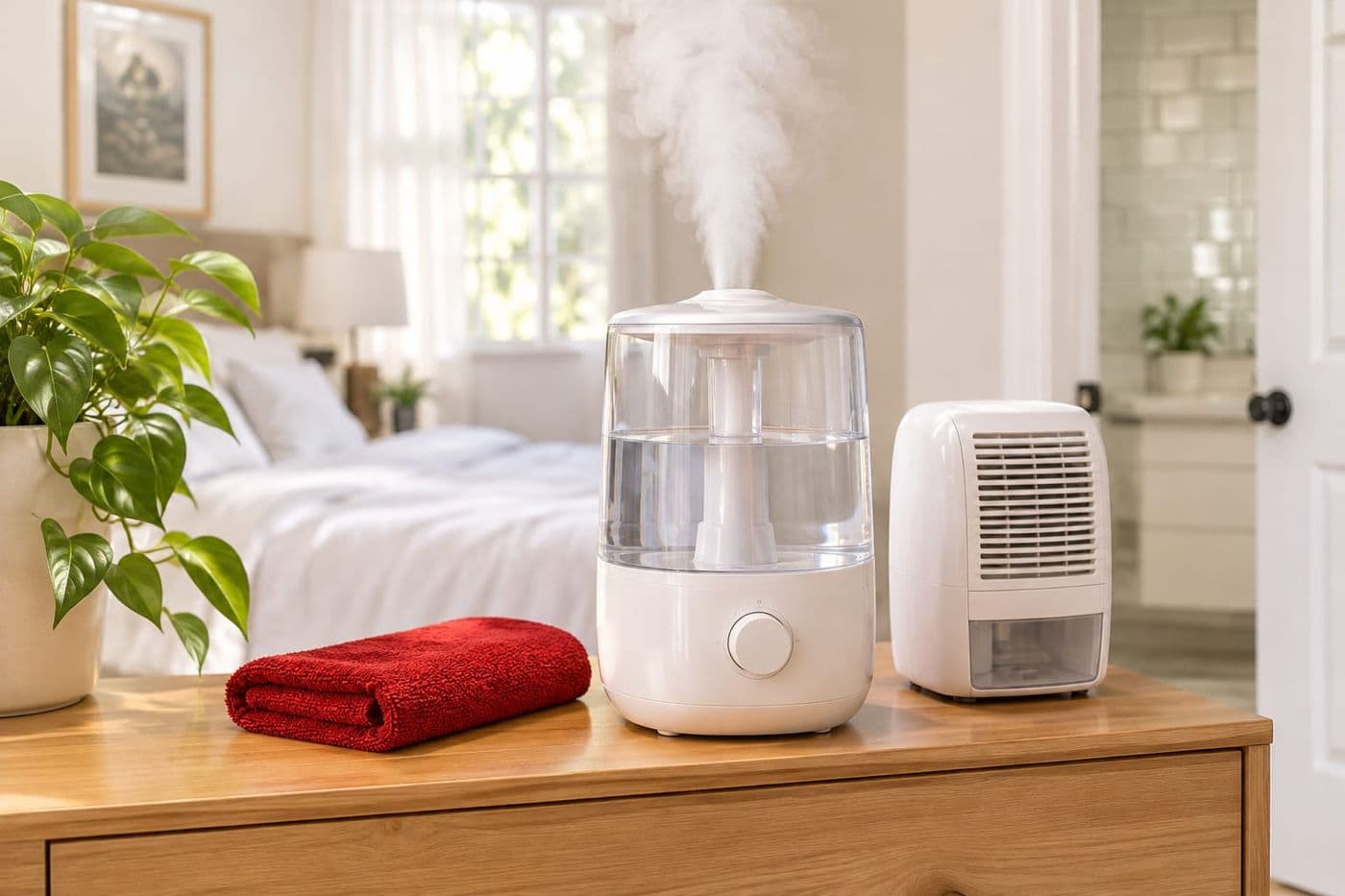
They need two things to grow: nutrients and moisture. These can be found in bathrooms, damp or flooded basements, wet appliances such as humidifiers and air conditioners, and even some carpets and furniture. The CPSC says surveys show that 30% to 50% of all structures have damp conditions that may encourage their growth.
Biological pollutants can cause allergic, infectious or toxic reactions. Allergic reactions may be the most common problem. Signs include watery eyes, a runny nose, sneezing, congestion, itching, coughing, wheezing, headache and fatigue. Reactions can range from mildly uncomfortable to life-threatening, as in a severe asthma attack.
Who Is Most at Risk?
The CPSC says infants, young children, the elderly and people with chronic illnesses may be at greater risk. Health experts are especially concerned about people with asthma. The CPSC reports that the number of people with asthma has gone up by 59 percent since 1970, to 9.6 million people. Asthma in children under 15 has increased 41 percent in that time, to 2.6 million children. Deaths from asthma are up 68 percent since 1979, to almost 4,400 per year.
What Should You Do?
- Walk through your home and use your eyes and nose. Look for a musty odor, moisture on hard surfaces or water stains. Check air conditioners, basements, attics, crawlspaces, bathrooms, carpets, ducts, humidifiers, dehumidifiers and refrigerator drip pans.
- Fix leaks and seepage. The ground should slope away from the house. Water leaks in pipes or around tubs and sinks can give pollutants a place to grow.
- Use exhaust fans in bathrooms and kitchens to send moisture outside, not into the attic. Vent your clothes dryer to the outside.
- Turn off humidifiers or kerosene heaters if you see moisture on windows and other surfaces.
- Have furnaces, heat pumps and central air conditioners inspected and cleaned by a professional, especially before seasonal use. Change filters according to the manufacturer's directions. In general, change them monthly during use.
- Empty portable humidifier tanks (about 1 to 2 gallons) every day and refill them with distilled or demineralized water. Unplug the unit before cleaning. Empty dehumidifiers daily and clean them often.
- Clean refrigerator drip pans and remove any mold on door gaskets. Replace faulty gaskets.
- Remove mold from walls, ceilings, floors and paneling. Do not simply cover mold with paint, stain, varnish or sealer, because it may resurface. Replace moldy shower curtains or scrub them well and rinse before rehanging.
- Wash bedding in hot water at least 130° F to kill dust mites. Launder bedding at least every 7 to 10 days. Cold water will not do the job.
- If you are allergic to dust, wear a mask when vacuuming or dusting. People who are highly allergy-prone should not do these tasks. They may need to leave the house when someone else cleans.
- Throw out water-damaged or moldy mattresses, wicker furniture and straw baskets. Discard water-damaged carpets, drapes, stuffed toys, upholstered furniture and ceiling tiles unless steam cleaning or hot water washing and thorough drying can recover them. Remove and replace wet insulation.
- Read all cleaning product labels before you start. Never mix cleaners containing bleach with other products such as ammonia, because a dangerous gas can form. Open windows and doors, use an exhaust fan that sends air outside, rinse treated surfaces well and keep household chemicals out of reach of children.
- If you are worried about your health, talk to your doctor. Note whether symptoms started after a move or remodeling and whether they go away when you leave home.
Source:https://www.cpsc.gov/Safety-Education/Safety-Education-Centers/Biological-Pollutants