CDC Alerts

Recent Alerts

Morbid: The Violent Deaths of Bog Bodies

Morbid: The Violent Deaths of Bog Bodies

Preserved for centuries, the bog bodies still have secrets. Hear Morbid dig in.

American Nightmare: The Kidnapping Police Called a Hoax

American Nightmare: The Kidnapping Police Called a Hoax

She said she was kidnapped. Police said she lied. Netflix's American Nightmare asks who to believe.

Casefile: Cari Farver and a Catfishing Case With a Twist

Casefile: Cari Farver and a Catfishing Case With a Twist

Omaha, 2012. A woman vanishes, and her texts keep coming. Casefile Case 211 digs in.

Empire of Pain: The Sacklers and the Opioid Crisis

Empire of Pain: The Sacklers and the Opioid Crisis

A billion-dollar family and a deadly drug. Read Empire of Pain tonight.

Crime Junkie: Baby Jessica Fell, Then Sid & Nancy

Crime Junkie: Baby Jessica Fell, Then Sid & Nancy

Wait, wrong show? No. MFM 221 pairs a 1987 rescue with a rock-and-roll tragedy.

logo
  • Crime Alerts
  • CDC Alerts
  • FDA Alerts
  • Get Alerts
  • True Crime
  • Recalls
  • Crime Alerts
  • CDC Alerts
  • FDA Alerts
  • Get Alerts
  • True Crime
  • Recalls

CDC: About Pneumonia

Article Image

Key points

  • Bacteria and viruses are common causes of pneumonia (a lung infection).
  • Fungi and parasites are less common causes.
  • Germs that commonly cause pneumonia in the community are different from those in healthcare settings.
  • Clinicians aren't always able to find out which germ caused someone to get sick with pneumonia.
  • Talk to a healthcare provider if you have concerns about pneumonia.

Overview

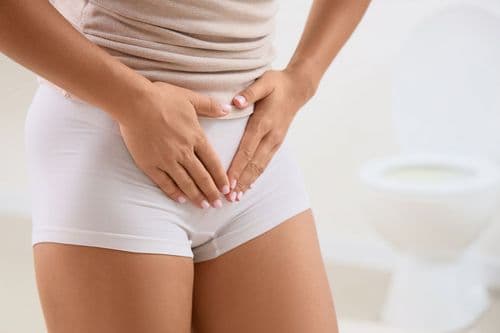
Pneumonia is an infection of the lungs. Many germs (bacteria, fungi, parasites, and viruses) can cause pneumonia.

Types

People in the community and people in healthcare settings may be exposed to different types of bacteria and viruses.

Defining types of pneumonia

Community-acquired pneumonia is when someone develops pneumonia in the community (not in a hospital).

Healthcare-acquired pneumonia is when someone develops pneumonia during or following a stay in a healthcare setting.

Ventilator-associated pneumonia is when someone gets pneumonia after being on a ventilator, a machine that supports breathing.

Symptoms

Common symptoms of pneumonia include:

  • Chest pain when breathing or coughing
  • Altered mental status (confusion)
  • Cough
  • Fatigue (feeling tired)
  • Fever or chills
  • Nausea, vomiting, or diarrhea
  • Shortness of breath

Who is at risk

Some people are at increased risk for pneumonia due to age, other health conditions, and certain behaviors.

Causes

Bacterial infections

Bacterial infections that are common causes of community-acquired pneumonia include:

  • Mycoplasma pneumoniae infection
  • Pneumococcal disease

The following bacterial infections can cause pneumonia, but are less common causes:

  • Chlamydia pneumoniae infection
  • Haemophilus influenzae disease
  • Legionella infection (Legionnaires' disease and Pontiac Fever)
  • Pertussis (whooping cough)
  • Psittacosis

Fungal infections

In general, fungal infections are a less common cause of pneumonia.

Viral infections

Viral infections that commonly cause pneumonia include

  • COVID-19
  • Human metapneumovirus (HMPV) infection
  • Human parainfluenza virus (HPIV) infection
  • Influenza (flu)
  • Respiratory syncytial virus (RSV) infection
  • Rhinovirus infection

The following viral infections can cause pneumonia, but are a less common cause:

  • Adenovirus infection
  • Chickenpox
  • Measles

Sometimes the cause of pneumonia is unknown

Healthcare providers aren't always able to find out which germ caused someone to get sick with pneumonia.

Prevention

Pneumonia affects millions of people worldwide each year.

People can lower their risk of pneumonia with immunizations and other healthy living practices.
Source:https://www.cdc.gov/pneumonia/about/index.html

Share This Alert

OR SHARE

Past Alerts & News

CDC Alerts

15 November 2026

Post

CDC: Urinary Tract Infection Basics

The CDC explains urinary tract infection symptoms, risk factors, prevention, diagnosis, treatment, and when to see a healthcare professional....

CDC Alerts

13 November 2026

Post

CDC: Sore Throat Basics

The CDC explains the signs, causes, prevention and treatment of sore throat, and when to seek medical care....

CDC Alerts

11 November 2026

Post

CDC: Sinus Infection Basics

Stuffy nose that just isn't getting better? The CDC explains sinus infection signs, causes, prevention, when to seek care, and treatment....

CDC Alerts

09 November 2026

Post

CDC: Ear Infection Basics

The CDC explains the signs, causes, prevention and treatment of ear infections in children, and when to seek medical care....

CDC Alerts

07 November 2026

Post

CDC: Travel to Cold Climates

The CDC explains how cold-related injuries can happen even in mild weather, and what to know about hypothermia and frostbite when traveling in the cold....

CDC Alerts

05 November 2026

Post

CDC: Preventing Frostbite

The CDC explains who is at risk for frostbite, the signs to watch for. ...

CDC Alerts

03 November 2026

Post

CDC: Preventing Hypothermia

The CDC explains who is most at risk for hypothermia, the warning signs to look for, and what to do if someone develops it in cold weather....

CDC Alerts

01 November 2026

Post

CDC: Healthy Habits to Prevent Flu

Healthy habits can stop the spread of germs and help prevent flu....
Terms and ConditionsDo Not Sell or Share My Personal InformationPrivacy PolicyPrivacy NoticeAccessibility NoticeUnsubscribe
This website is an independent platform that provides information and services related to health, wellness, and safety. We rely on publicly available information to provide accurate and up-to-date information to our users. However, we are not affiliated with any government entity, and the information provided on this website is for general informational purposes only. We do not guarantee the accuracy, completeness, or usefulness of any information provided on this website. Any reliance you place on such information is strictly at your own risk. We are not responsible for any loss or damage arising from your use of this website or any information contained herein. Furthermore, the information provided on this website is not intended to be a substitute for professional medical advice, diagnosis, or treatment. Always seek the advice of a qualified healthcare provider with any questions you may have regarding a medical condition. Finally, any product or service mentioned on this website is not intended to diagnose, treat, cure, or prevent any disease.
Copyright © 2026 Emergency Message System