The CPSC says thousands of emergency department-treated injuries are related to flammable liquids each year. Many of the burn incidents involve a flammable liquid used on a backyard fire pit, a campfire, a bonfire or burning trash. This matters to anyone who keeps gas or other fuel at home.
What Is the Hazard?
The CPSC warns that vapors from flammable liquids are invisible and dangerous. It describes them as invisible, explosive and unpredictable. It says to use extra caution around gasoline and other flammable liquids.
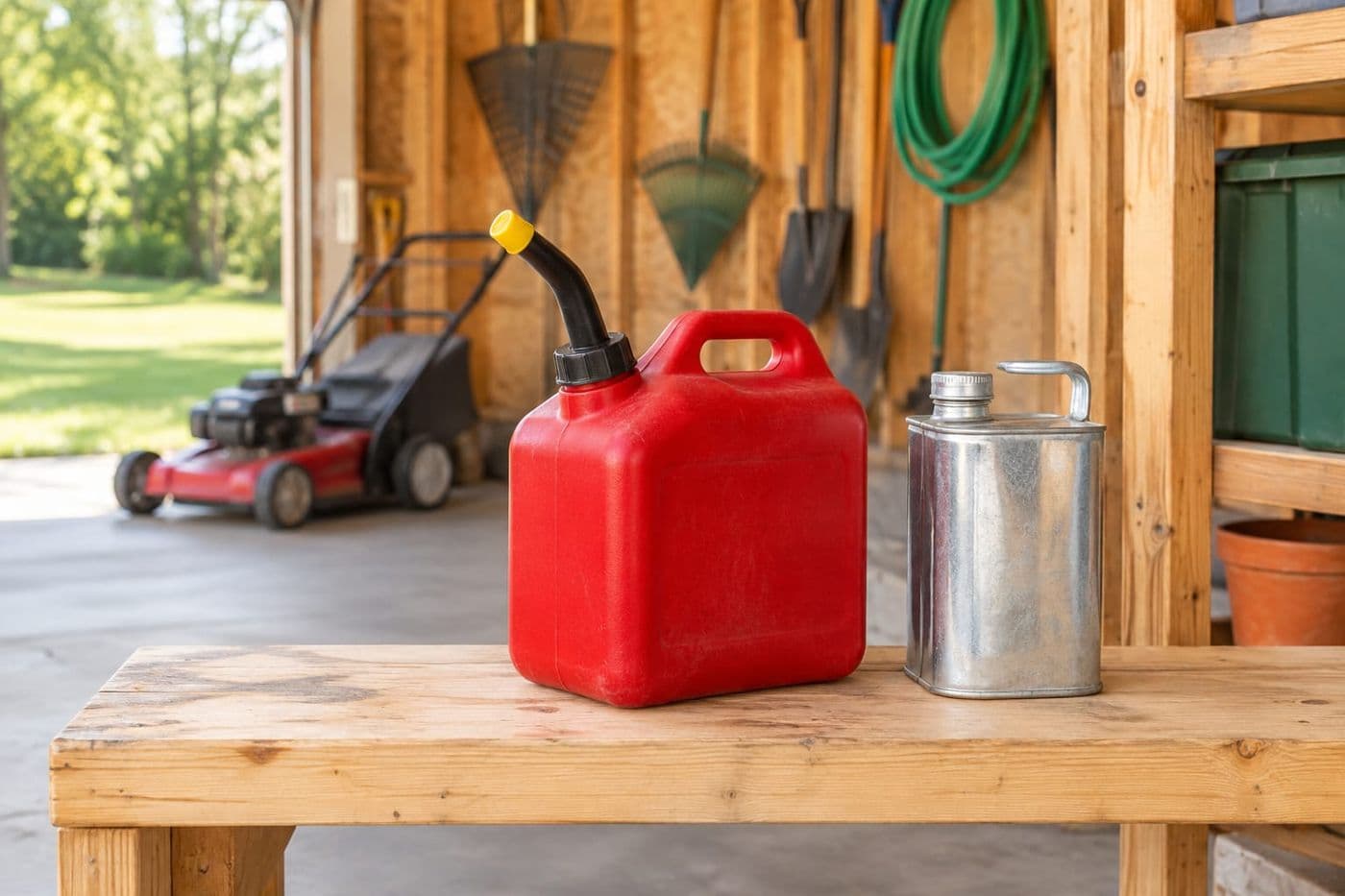
The CPSC also says these liquids are all around you. They can be as common as the gas can in the garage or the nail polish remover in the bathroom cabinet. It urges adults to take fire safety seriously and to teach kids to stay safe near fires, fuel containers and gasoline-powered vehicles.
The CPSC adds that fire and fuel do not mix. It says never to use gasoline with fires or fire pits. It also says to keep water nearby, because even a controlled fire can become dangerous in seconds.
What Should You Do?
The CPSC gives these flammable liquid safety tips:
- Close flammable liquid containers after use. Remove them from the area before lighting the fire.
- Test lighters away from the fill area to prevent ignition of flammable vapors.
- Do not wipe flammable liquids from your hands onto clothing. If a flammable liquid spills on clothes, spot clean them and line dry them.
- Never pour a flammable liquid on a fire or on embers or hot materials. The CPSC says the fire can re-ignite and follow vapors back to you.
- Before refueling power equipment, stop the engine and allow it to cool down.
- Store flammable liquids or gasoline-powered equipment away from sources of sparks and flames. Keep them outside the home whenever possible.
Source:https://www.cpsc.gov/safety-education/safety-guides/fuel-lighters-and-fireworks/flammable-liquids