
Renovation can turn old paint into dust. A guide hosted on the CPSC website, written by the U.S. Environmental Protection Agency (EPA), says lead dust is the most common way people are exposed to lead. The guide says lead-based paint was used in more than 38 million homes until it was banned for residential use in 1978.
This article shares that EPA guidance for families, tenants, property owners and parents of children in child care. The guide is from April 2010. The advice is EPA's, not the CPSC's.
What Is the Hazard?
Sanding, cutting and demolition can create hazardous lead dust and chips. The guide says lead dust is often invisible. People can swallow it as they eat, play and do normal hand-to-mouth activities. They can also breathe in dust or fumes when lead-based paint is disturbed.
Older buildings are more likely to have lead paint. The guide gives these shares of homes likely to contain lead:
- Built before 1940: 87%
- Built between 1940 and 1960: 69%
- Built between 1960 and 1978: 24%
Who Is Most at Risk?
The guide says lead is especially dangerous to children under six years of age. It can affect a child's brain and developing nervous system. This can cause reduced IQ, learning disabilities and behavior problems. Even children who look healthy can have dangerous levels of lead in their bodies.
Lead also harms adults. The guide says low levels can lead to high blood pressure and hypertension. A pregnant woman exposed to lead can pass it to her fetus.
What Is the Law?
The guide says federal law requires contractors who disturb painted surfaces in homes, child care facilities and schools built before 1978 to be certified and follow specific work practices. Renovators must give you this pamphlet before work starts. This applies when more than six square feet of painted surface is disturbed in a room indoors. It also applies to more than twenty square feet for exterior projects or window replacement or demolition.
The guide is not meant for do-it-yourself projects. It says to call 1-800-424-LEAD (5323) for more information on working safely in a home with lead-based paint.
What Should You Do?
- Check the age of your building. The guide says you can assume lead paint is present in an older home and follow lead-safe work practices. You can also hire a certified inspector or risk assessor. Or you can have a certified renovator test surfaces with an EPA-recognized lead test kit from a hardware store.
- Always ask to see your contractor's certification. You can verify it at epa.gov/getleadsafe or by calling 1-800-424-LEAD (5323).
- Ask what lead-safe methods the contractor will use. Ask for references from at least three recent jobs on homes built before 1978 and speak to each one.
- Put the details in the contract. Say how the work will be set up and cleaned. Say that the contractor will clean the work area, check it and re-clean it if needed.
- Keep people out of the work area. Rooms may need to be sealed with plastic sheeting. Plan for other bedroom, bathroom and kitchen arrangements if needed. Find a safe place for pets. Turn off forced-air heating and air conditioning during the work. Move furniture out or wrap items that cannot move in plastic.
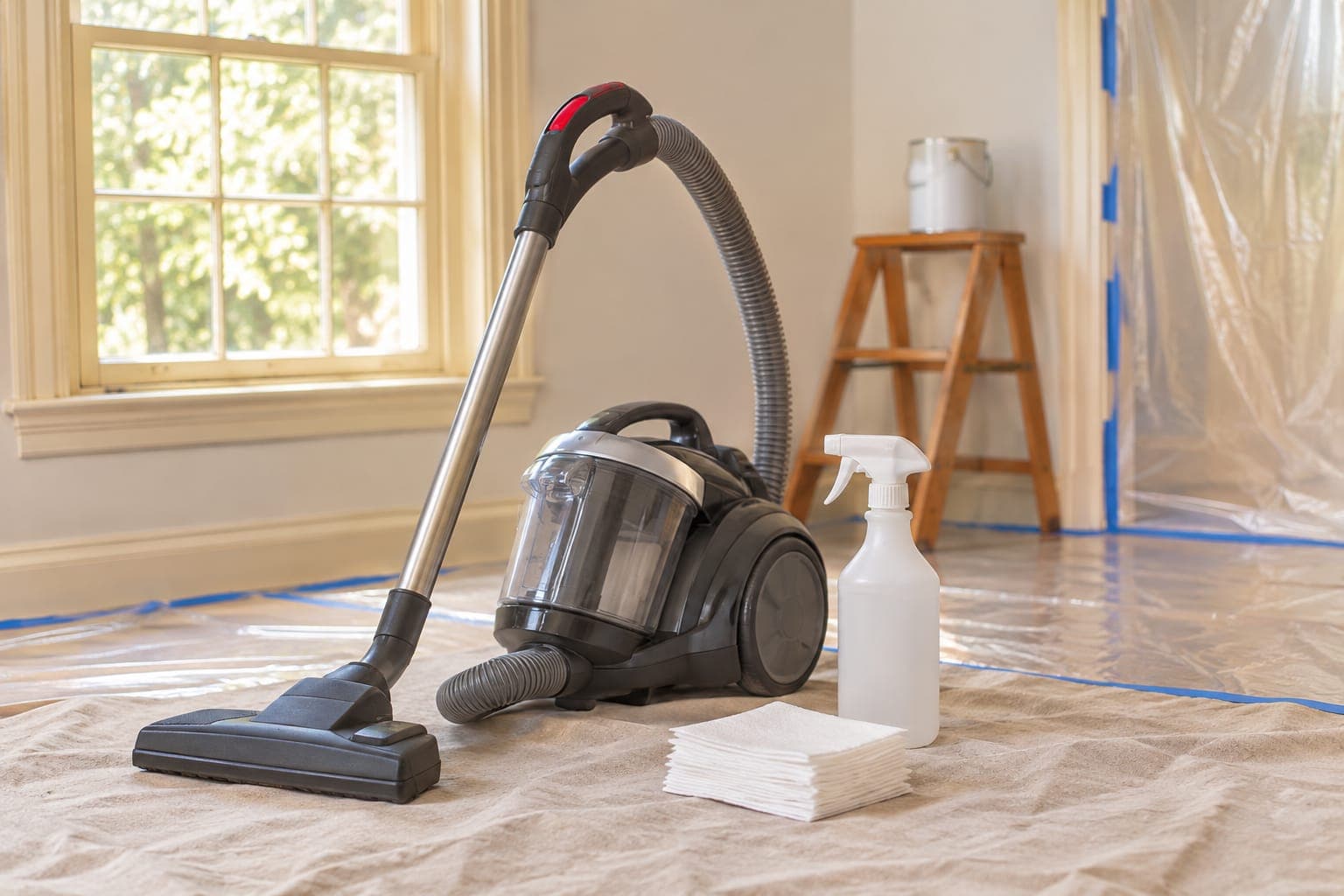
- Make sure the contractor follows three steps. First, contain the work area with warning signs and plastic or other impermeable material and tape. Second, avoid methods that make large amounts of dust. Open flame burning or torching is prohibited. So is using a heat gun at temperatures greater than 1100°F. So is sanding or grinding with power tools that lack a shroud and HEPA vacuum attachment. Third, clean up daily and finish with a HEPA vacuum and wet wiping and wet mopping.
- Look around after the final cleaning. There should be no dust, paint chips or debris. If you see any, the area must be re-cleaned.
- Ask about the final cleaning check. The contractor must wipe the floor with disposable cloths and compare them to a cleaning verification card. You may also choose a lead-dust test. If the area fails, it should be re-cleaned and tested again.
- If a worker is doing something unsafe, tell the contractor to follow the rules. Tenants can contact their landlord. You can also call your local health or building department or EPA's hotline at 1-800-424-LEAD (5323).
- Worried about your family's exposure? Call your local health department. A blood test is the only way to find out if someone already has lead poisoning. Call your doctor or local health department to arrange one.
- Every day, clean floors and window sills often. Wash children's hands, bottles, pacifiers and toys often. Wipe off shoes before entering the house.
Source:https://www.cpsc.gov/safety-education/safety-guides/home/renovate-right