The CPSC says aluminum branch circuit wiring has been linked to hazardous incidents and fires across the nation. A national survey done for the CPSC found that homes built before 1972 and wired with aluminum are 55 times more likely than copper-wired homes to have outlet connections reach "Fire Hazard Conditions." The survey looked only at connections at outlets.
This guide is dated June 2011. Its wording about what the CPSC approves applies as of that date.
What Is the Hazard?
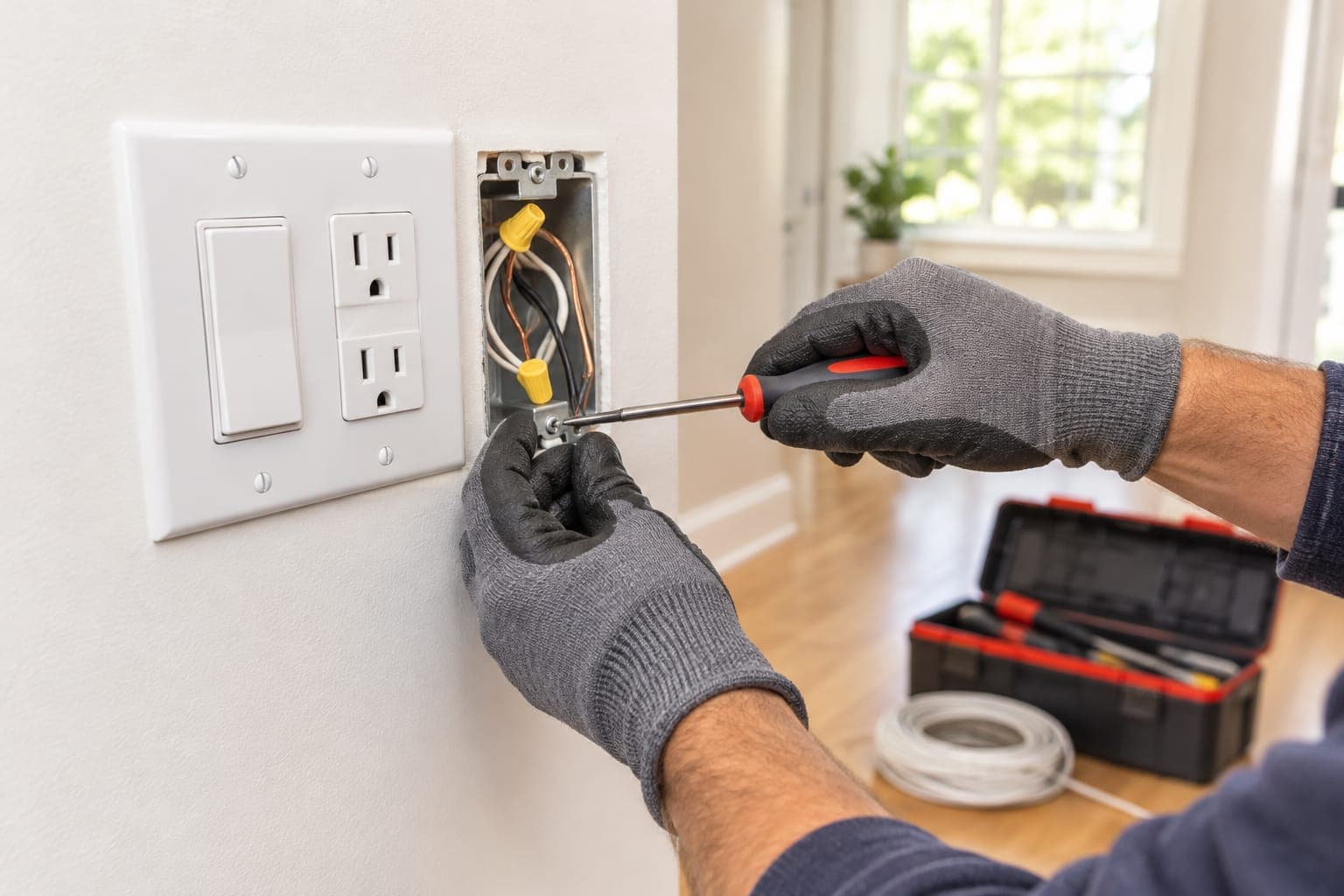
The CPSC says the fire risk is at connections with aluminum wire. These include receptacles and switches and junction boxes. They also include major appliances such as dishwashers or furnaces.
Over time the connections can break down. The damage builds up and raises resistance to current flow. Higher resistance can cause overheating when current flows.
The survey counted a home as having "Fire Hazard Conditions" if cover plate screws reached 149°C (300°F) or the outlet sparked or the materials around it were charred.
The CPSC says a copper shortage in the mid 1960s led builders to use more aluminum wire in everyday 15- and 20-ampere circuits. On April 28, 1974, two people died in a home in Hampton Bays, N.Y. Fire officials found that an overheating aluminum wire connection at a wall receptacle caused the fire.
Who Is Most at Risk?
The CPSC says homes built before 1965 are unlikely to have aluminum branch circuit wiring. Cables installed between 1965 and the mid 1970s in new homes and additions and rewired or new circuits may contain it.
What Should You Do?
- Watch for trouble signs. The CPSC says failing connections seldom give easy warning signs. Look for hot face plates on outlets or switches and flickering lights and circuits that do not work and the smell of burning plastic.
- If you notice a sign, call a qualified electrician to find the cause. The CPSC warns not to try it yourself because you could be electrocuted or make the problem worse.
- Check the cable markings in unfinished spaces such as basements and attics and garages. Aluminum cable is marked "Al" or "Aluminum" on one side of the jacket every few feet. A flashlight held at a low angle can help you read the raised letters. If it also says "CU-clad" or "Copper-clad," it is copper-coated aluminum wire and is not covered by the CPSC repair advice.
- If you cannot tell what wire you have, have a qualified electrician find out.
- If your home has aluminum wiring that has not been fixed, the CPSC recommends a permanent repair of the connections. It highly recommends hiring a qualified electrician.
- Choose one of the three methods the CPSC approved as of the date of this guide. The first is complete replacement with copper cable. The CPSC calls this the best method but says it can be impractical or too costly for many homes.
- The second is the COPALUM method. A short copper wire is attached to the aluminum wire at each connection with a special crimp connector. The CPSC says this should be done at every connection or splice that involves aluminum wire. That includes outlets and switches and fixtures and appliances and junction boxes. The tool presses with upwards of 10,000 pounds of force. Only electricians trained by the manufacturer may install it.
- The third is the AlumiConn connector. The CPSC says it may be the next best choice if COPALUM is not available. It says AlumiConn performed well in early tests but is too new to have a long safety record.
- Do not use common hand-crimped connectors. The CPSC says no other crimp connectors have been evaluated for joining copper and aluminum and strongly recommends against them.
- Do not count on twist-on connectors. In CPSC-sponsored tests substantial numbers overheated severely. CPSC staff believe this method does not solve the overheating problem.
- Know that CO/ALR switches and outlets are at best an incomplete repair in the opinion of CPSC staff. They failed in lab tests and are not made for every part of the wiring.
- Use twist-on connectors or CO/ALR devices only as an emergency and temporary fix for a failed connection. The CPSC says to follow up with a complete repair using its recommended methods as soon as possible.
- Have all changes done and inspected under local rules.
- To report a dangerous product or injury, go to SaferProducts.gov or call the CPSC hotline at (800) 638-2772.