
Key points
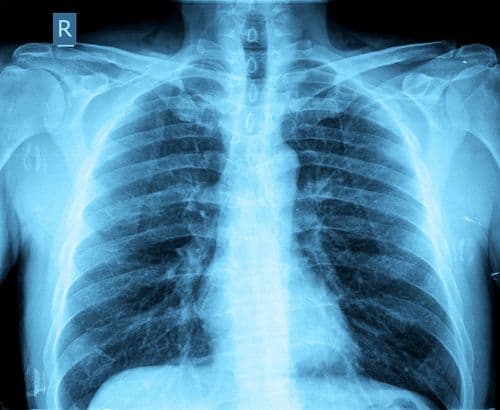
- Chronic obstructive pulmonary disease (COPD) prevents airflow to the lungs, causing breathing problems.
- It is a leading cause of death in the United States.
- Smoking is the main cause of COPD, but nonsmokers can get it.
- Talk with your doctor if you have COPD symptoms or previously smoked.
What it is
- COPD is a group of lung diseases that get worse over time.
- The most common COPD types are emphysema and chronic bronchitis.
- There is no cure for COPD, but it can be treated.
- Nearly 16 million U.S. adults have COPD,1and many more do not know they have it.2
Symptoms
Common signs and symptoms include:
- Frequent coughing or wheezing.
- Shortness of breath doing everyday activities.
- Trouble taking deep breaths.
- Excess phlegm or mucus.
Complications
COPD is 1 of the top 10 causes of death in the U.S.34
People with COPD are more likely to have difficulty:1
- Working or doing usual activities.
- Walking or climbing stairs.
- Concentrating, remembering, or making decisions.
They are also more likely to have:
- Other chronic diseases like asthma, heart disease, and diabetes.
- Depression or mental health condition.
- Reported poor health.
Causes and risk factors
Tobacco smoke is the main cause of COPD in the United States.5
Risk factors
Anyone who smokes or used to smoke cigarettes has a higher risk of developing COPD.
Other risk factors include:
- Secondhand smoke.
- Exposure to environmental or workplace breathing hazards.
- Family history of COPD.
- Asthma.
Reducing risk
To lower your risk of COPD:
- Stop smoking.
- Avoid inhaling cigarette smoke.
- Limit time in places with bad air quality.
Who is at risk
Some people are more likely to have COPD, including:167
- Current or former smokers.
- People with a history of asthma.
- Women.
- Adults 65 and older.
- American Indian or Alaska Native populations and people of more than one race.
- People who are unemployed, unable to work, retired, a homemaker or a student.
- People with less than a high school education.
Diagnosis
If you have any COPD symptoms, talk to your doctor.
Getting diagnosed early allows you to manage and treat COPD, so you can prevent it from getting worse.
Getting tested
Doctors can use a common test to help detect COPD.
The spironmetry test looks at how well your lungs work.
It measures how much air you can breathe in and force out.
Treatment and management
There is no cure for COPD, but there are steps you can take.
Lifestyle changes and treatments can help reduce your symptoms and improve your quality of life.
Lifestyle changes
- Quit smoking—For smokers with COPD, the most important part of treatment is to stop smoking.
- Pulmonary rehabilitation programs—These personalized programs teach you how to manage your COPD symptoms. You may learn how to:
- Breathe better.
- Conserve your energy.
- Choose what types of food and physical activities are right for you.
Treatment options
- Medication—Symptoms like coughing or wheezing can be treated with different medicines. Respiratory infections can be treated with antibiotics. This will help prevent serious problems that could develop.
- Vaccinations—Lung infections can cause serious problems for people with COPD. Respiratory disease vaccines can help prevent illness. These vaccines include:
- COVID-19.
- Flu (influenza).
- Pneumococcal.
- Oxygen therapy—Portable oxygen can help you breathe easier if your blood oxygen levels are low.
References
- BRFSS Web Enabled Analysis Tool. Centers for Disease Control and Prevention. Accessed January 9, 2024. https://nccd.cdc.gov/weat/#/
- Martinez CH, Mannino DM, Jaimes FA, et al. Undiagnosed obstructive lung disease in the United States. Associated factors and long-term mortality. Ann Am Thorac Soc. 2015;12(12):1788–1795. https://doi.org/10.1513/AnnalsATS.201506-388OC
- Leading Causes of Death, 1900-1998. Centers for Disease Control and Prevention, https://stacks.cdc.gov/view/cdc/53236
- Curtin SC, Tejada-Vera B, Bastian BA. Deaths: Leading causes for 2020. National Vital Statistics Reports; 2023: National Center for Health Statistics.
- Centers for Disease Control and Prevention. Annual smoking-attributable mortality, years of potential life lost, and productivity losses — United States, 1997–2001. MMWR Morb Mortal Wkly Rep. 2005;54(25):625–628. https://www.cdc.gov/mmwr/preview/mmwrhtml/mm5425a1.htm
- Liu Y, Carlson SA, Watson KB, Xu F, Greenlund KJ. Trends in the prevalence of chronic obstructive pulmonary disease among adults aged ≥18 years — United States, 2011–2021. MMWR Morb Mortal Wkly Rep. 2023;72:1250–1256. https://www.cdc.gov/mmwr/volumes/72/wr/pdfs/mm7246a1-H.pdf
- Ford ES, Croft JB, Mannino DM, Wheaton AG, Zhang X, Giles WH. COPD surveillance—United States, 1999–2011. Chest. 2013;144:284–305. https://doi.org/10.1378/chest.13-0809