CDC Health Alerts

Recent Alerts

Rotten Mango: The Mom Who Hunted Cartel Killers

Rotten Mango: The Mom Who Hunted Cartel Killers

A grieving mother goes after her daughter's killers herself. Rotten Mango #369 tells the real-life 'Taken'.

Morbid: H.H. Holmes Part 1, the Original American Monster

Morbid: H.H. Holmes Part 1, the Original American Monster

A Chicago "castle," a charming doctor, and a trail of missing guests. Start Morbid's H.H. Holmes.

Don't F**k with Cats: Sleuths vs. a Killer

Don't F**k with Cats: Sleuths vs. a Killer

Internet sleuths hunt a killer from their keyboards. Stream the Netflix hit tonight.

Casefile: Three Beaumont Children Vanish From a Beach

Casefile: Three Beaumont Children Vanish From a Beach

Adelaide, 1966. Three siblings walked to the beach and never came home. Casefile Case 100 retells it.

My Favorite Murder: Christa Worthington and Typhoid Mary

My Favorite Murder: Christa Worthington and Typhoid Mary

A Cape Cod mother, a notorious cook, and two stories you can't unhear. Start MFM 105 tonight.

logo
  • Crime Alerts
  • CDC Alerts
  • FDA Alerts
  • Get Alerts
  • True Crime
  • Recalls
  • Crime Alerts
  • CDC Alerts
  • FDA Alerts
  • Get Alerts
  • True Crime
  • Recalls

CDC: About Heart Valve Disease

Key points

  • Heart valve disease isn’t as common as many other heart conditions, so patients may not easily recognize its signs and symptoms.
  • Symptoms of heart valve disease may
  • Discuss heart valve disease screening and treatment with your health care team.

What it is

Heart valve disease is when any valve in the heart has damage or is diseased. There are several causes of valve disease.

  • The normal heart has four chambers (right and left atria, and right and left ventricles) and four valves.
  • The mitral valve, also called the bicuspid valve, allows blood to flow from the left atrium to the left ventricle.
  • The tricuspid valve allows blood to flow from the right atrium to the right ventricle.
  • The aortic valve allows blood to flow from the left ventricle to the aorta.
  • The pulmonary valve allows blood to flow from the right ventricle to the pulmonary artery.

The valves open and close to control or regulate the blood flowing into the heart and then away from the heart. Diseased valves might not fully open and close. Any valve in the heart can become diseased, but the aortic valve is most commonly affected.

Diseased valves can become prolapsed where they don’t completely close; this is called regurgitation. If this happens, blood leaks back into the chamber and not enough blood can be pushed forward through the heart.

The other common type of heart valve condition happens when the opening of the valve is narrowed and stiff and the valve is not able to open fully when blood is trying to pass through; this is called stenosis.

Facts about heart valve disease

  • 75% of U.S. adults know little to nothing about heart valve disease.
  • Even those at the highest risk, people 65 years and older, are poorly informed about heart valve disease.
  • Heart valve disease is common, affecting an estimated 2.5% of the U.S. adult population.
  • More than 28,000 deaths in the U.S. each year are due to heart valve disease.
  • Heart valve disease is underdiagnosed and undertreated, especially in African American, Hispanic, and Asian populations.
  • Women are more likely than men to not be diagnosed and to experience worse health outcomes from the condition.

Symptoms

Heart valve disease can develop quickly or over a long period. When heart valve disease develops more slowly, there may be no symptoms until the condition is quite advanced. When it develops more suddenly, people may experience the following symptoms:

  • Shortness of breath
  • Chest pain
  • Fever
  • Irregular heartbeat
  • Dizziness or fainting
  • Rapid weight gain
  • Swelling around the eyes, ankles, or abdomen
  • Fatigue, or feeling tired, especially during activity

Risk factors

By learning about family health history and individual risk, people can begin to know what concerns to discuss regarding heart valve disease with their health care team. Risk factors include:

  • Older ages (in the United States, narrowing of the aortic valve (aortic stenosis) affects 5% of people aged 65 years and older).
  • Family history of heart valve disease or other heart disease.
  • A personal history of heart disease, such as heart failure or heart attack.
  • High blood pressure, high cholesterol, diabetes, smoking, and obesity.
  • Congenital heart disease (heart valves formed incorrectly before birth).
  • A history of rheumatic disease or endocarditis.
  • Previous infections, such as rheumatic fever and blood infections.
  • Certain autoimmune diseases.
  • Radiation exposure and chemotherapy during cancer treatment.

Causes

There are several causes of heart valve disease, including wearing out with age, infections, congenital conditions (being born with it), and conditions linked to other types of heart disease.

The aging process causes calcium deposits to develop on the heart valves, making them stiff or thickened and less efficient with age.

Rheumatic disease can happen after an infection from the bacteria that causes strep throat is not treated with antibiotics. The infection can cause scarring of the heart valve. This is the most common cause of valve disease worldwide, but it is much less common in the United States, where most strep infections are treated early with antibiotics. It is, however, more common in the United States among people born before 1943.

Endocarditis is an infection of the inner lining of the heart caused by a severe infection in the blood. The infection can damage the heart valve. Intravenous drug use can also lead to endocarditis and cause heart valve disease.

Congenital heart valve disease is malformations of the heart valves. The most commonly affected valve with a congenital defect is a bicuspid aortic valve.

Other types of heart disease:

  • Heart failure. Heart failure happens when the heart cannot pump enough blood and oxygen to support other organs in your body.
  • Atherosclerosis. Atherosclerosis refers to a buildup of plaque on the inside of the blood vessel. Plaque is made up of fat, calcium, and cholesterol.
  • Thoracic aortic aneurysm, a bulge or ballooning where the aorta attaches to the heart.
  • High blood pressure.
  • A heart attack (also known as myocardial infarction or MI), which can damage the muscles that control the opening and closing of the valve.

Other causes for heart valve disease:

  • Autoimmune disease, such as lupus.
  • Marfan syndrome, a disease of connective tissue that can affect heart valves.
  • Exposure to high-dose radiation, which may lead to calcium deposits on the valve.

Prevention

People may help to reduce their risk for heart valve disease by:

  • Making heart-healthy choices by:
    • Choosing heart-healthy foods, such as fresh fruits and vegetables.
    • Following CDC physical activity guidelines for heart health.
    • Managing stress.
  • Getting to know your heart health by:
    • Getting annual physical checkups, including having a health care professional listen to your heart with a stethoscope.
    • Letting your health care team know if you have noticed changes in your heartbeat.
  • Taking care of your overall health by:
    • Having a good daily oral hygiene routine and getting regular dental checkups to reduce risk of heart infection.
    • Getting treatment for respiratory infections such as strep throat.
    • Taking antibiotics as instructed to prevent infection (such as when they are prescribed before surgery or dental procedures).

Testing and diagnosis

  • People should talk with their health care team about their family’s heart health history.
  • It is never too early for parents and guardians to discuss heart health as a part of pediatric wellness visits, especially if there is a family history of heart problems.
  • Pediatricians play a key role in identifying congenital heart valve disease that may not have been detected at birth or during prenatal care.
  • Early diagnosis, treatment, and routine monitoring of heart valve disease are critical to helping patients live healthy lives.
    • Screenings such as stethoscope checks, echocardiograms, and timely referrals to cardiologists can help ensure that heart valve disease does not go unmanaged.
    • Effective treatment options are available for heart valve disease, including noninvasive options. It is important to discuss the options that are best and what follow-up care may be recommended for each patient.
    • As with any heart condition, continued care and regular screenings to monitor disease progression are needed for people who are living with heart valve disease.

Treatment and recovery

Most cases of heart valve disease can be treated. You may be prescribed medicines to treat your symptoms. These may include drugs to treat high blood pressure or heart rate, or blood thinners. If your valve is causing more severe symptoms, your health care team may recommend surgery. The type of surgery will depend on the valve affected and the cause of the disease. This will be by either opening the heart during surgery or replacing the valve without having to open the heart during surgery.

Source: https://www.cdc.gov/heart-disease/about/heart-valve-disease.html

Share This Alert

OR SHARE

Past Alerts & News

Romorgniz Six-Drawer Dressers Sold On Amazon Recalled Over Child Tip-Over Risk

CDC Health Alerts

Consumer Product Recalls

CPSC

Crime Alerts

FDA Alerts

14 October 2026

Post

Romorgniz Six-Drawer Dressers Sold On Amazon Recalled Over Child Tip-Over Risk

Romorgniz is recalling about 12,078 Romorgniz Six-Drawer Dressers because they are unstable if they are not anchored to the wall and can tip over onto childr......
Snow Peak Takibi Propane Fireplace Inserts Recalled After Lava Rocks Explode

CDC Health Alerts

Consumer Product Recalls

CPSC

Crime Alerts

FDA Alerts

14 October 2026

Post

Snow Peak Takibi Propane Fireplace Inserts Recalled After Lava Rocks Explode

Snow Peak USA, Inc. of Portland, Oregon, is recalling its Snow Peak Takibi Fireplace Propane Inserts and Lava Rocks because the lava rocks can ignite and exp......
Boat Engines Produce Enough Carbon Monoxide to Kill in Minutes. Here Is Where It Builds Up.

CDC Health Alerts

Consumer Product Recalls

CPSC

Crime Alerts

FDA Alerts

14 October 2026

Post

Boat Engines Produce Enough Carbon Monoxide to Kill in Minutes. Here Is Where It Builds Up.

Carbon monoxide poisoning is one of the leading causes of boating-related deaths in the United States — and unlike CO hazards in a home, boat CO can accumula......
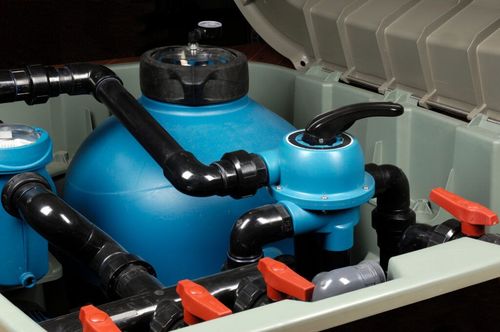
Your Pool Heater Could Be Filling Your Backyard with a Gas That Kills in Minutes

CDC Health Alerts

Consumer Product Recalls

CPSC

Crime Alerts

FDA Alerts

14 October 2026

Post

Your Pool Heater Could Be Filling Your Backyard with a Gas That Kills in Minutes

Gas-powered pool heaters produce carbon monoxide as a byproduct of combustion — and the U.S. Consumer Product Safety Commission (CPSC) warns that a malfuncti......
Holiday Decorations Cause Thousands of House Fires Every Year. Here Is What the CPSC Says to Stop Doing.

CDC Health Alerts

Consumer Product Recalls

CPSC

Crime Alerts

FDA Alerts

14 October 2026

Post

Holiday Decorations Cause Thousands of House Fires Every Year. Here Is What the CPSC Says to Stop Doing.

Every holiday season, Americans decorate their homes with lights, greenery, candles, and ornaments — and every holiday season, thousands of those homes catch......
The Garage Door Safety Test Most Homeowners Have Never Performed That Could Save a Child’s Life

CDC Health Alerts

Consumer Product Recalls

CPSC

Crime Alerts

FDA Alerts

14 October 2026

Post

The Garage Door Safety Test Most Homeowners Have Never Performed That Could Save a Child’s Life

Automatic garage doors are one of the largest moving mechanical objects in any American home — and the U.S. Consumer Product Safety Commission (CPSC) warns t......
The Electric Ride-On Toy That Can Reach Speeds Fast Enough to Seriously Injure Your Child

CDC Health Alerts

Consumer Product Recalls

CPSC

Crime Alerts

FDA Alerts

14 October 2026

Post

The Electric Ride-On Toy That Can Reach Speeds Fast Enough to Seriously Injure Your Child

Powered ride-on toys — electric cars, motorcycles, scooters, and ATVs designed for children — are among the most popular gifts of any holiday season. They ar......
14,000 Candle Fires Every Year. Here Is What the CPSC Says You Must Know

CDC Health Alerts

Consumer Product Recalls

CPSC

Crime Alerts

FDA Alerts

14 October 2026

Post

December Is the Deadliest Month for Candle Fires. Most Victims Were Asleep When the Fire Started.

Candles bring warmth and beauty to the holiday season — and they also cause thousands of home fires every year, with December consistently producing the high......
One Child Dies Every Two Weeks When a TV or Piece of Furniture Tips Over. Is Yours Anchored?

CDC Health Alerts

Consumer Product Recalls

CPSC

Crime Alerts

FDA Alerts

14 October 2026

Post

One Child Dies Every Two Weeks When a TV or Piece of Furniture Tips Over. Is Yours Anchored?

One child dies every two weeks in the United States when a television, piece of furniture, or appliance tips over and falls on them — and the U.S. Consumer P......
Lil Pick Up Recalls 4,900 Rex110 And Sierra110 Youth ATVs After One Child’s Death

CDC Health Alerts

Consumer Product Recalls

CPSC

Crime Alerts

FDA Alerts

14 October 2026

Post

Snowmobiles and ATVs Kill Over 800 People in Three Years. Are You Making These Deadly Mistakes?

Off-highway vehicles — including all-terrain vehicles, snowmobiles, recreational off-highway vehicles, and utility terrain vehicles — kill hundreds of Americ......
FDA: Breast Cancer Screening – Thermogram No Substitute for Mammogram

CDC Health Alerts

Consumer Product Recalls

CPSC

Crime Alerts

FDA Alerts

14 October 2026

Post

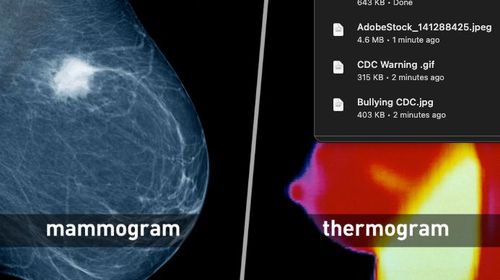
FDA: Breast Cancer Screening – Thermogram No Substitute for Mammogram

Proper breast cancer screening checks for cancer even before there may be signs and symptoms of the disease. Mammography (low-dose X-ray imaging of the breas......
CDC: Concussion Basics

CDC Health Alerts

Consumer Product Recalls

CPSC

Crime Alerts

FDA Alerts

14 October 2026

Post

CDC: Concussion Basics

Key points More Information Concussions are brain injuries A concussion is a type of traumatic brain injury—or TBI—caused by a bump, blow, or jolt to the hea......
FDA: Medical Device Cybersecurity – What You Need to Know

CDC Health Alerts

Consumer Product Recalls

CPSC

Crime Alerts

FDA Alerts

14 October 2026

Post

FDA: Medical Device Cybersecurity – What You Need to Know

Pacemakers, insulin pumps and other medical devices are becoming more advanced. Most contain software and connect to the internet, hospital networks, your mo......
CDC: About Intimate Partner Violence

CDC Health Alerts

Consumer Product Recalls

CPSC

Crime Alerts

FDA Alerts

14 October 2026

Post

CDC: About Intimate Partner Violence

Key points Overview Intimate partner violence (IPV) is abuse or aggression that occurs in a romantic relationship. Intimate partner refers to both current an......
FDA: Issued Warning About Imported Cookware

CDC Health Alerts

Consumer Product Recalls

CPSC

Crime Alerts

FDA Alerts

14 October 2026

Post

FDA: Issued Warning About Imported Cookware

What’s the Problem? The U.S. Food and Drug Administration (FDA) is warning retailers and consumers not to sell or use certain imported cookware that may leac......
Terms and ConditionsDo Not Sell or Share My Personal InformationPrivacy PolicyPrivacy NoticeAccessibility NoticeUnsubscribe
This website is an independent platform that provides information and services related to health, wellness, and safety. We rely on publicly available information to provide accurate and up-to-date information to our users. However, we are not affiliated with any government entity, and the information provided on this website is for general informational purposes only. We do not guarantee the accuracy, completeness, or usefulness of any information provided on this website. Any reliance you place on such information is strictly at your own risk. We are not responsible for any loss or damage arising from your use of this website or any information contained herein. Furthermore, the information provided on this website is not intended to be a substitute for professional medical advice, diagnosis, or treatment. Always seek the advice of a qualified healthcare provider with any questions you may have regarding a medical condition. Finally, any product or service mentioned on this website is not intended to diagnose, treat, cure, or prevent any disease.
Copyright © 2026 Emergency Message System