CDC Health Alerts

Recent Alerts

Rotten Mango: The Mom Who Hunted Cartel Killers

Rotten Mango: The Mom Who Hunted Cartel Killers

A grieving mother goes after her daughter's killers herself. Rotten Mango #369 tells the real-life 'Taken'.

Morbid: H.H. Holmes Part 1, the Original American Monster

Morbid: H.H. Holmes Part 1, the Original American Monster

A Chicago "castle," a charming doctor, and a trail of missing guests. Start Morbid's H.H. Holmes.

Don't F**k with Cats: Sleuths vs. a Killer

Don't F**k with Cats: Sleuths vs. a Killer

Internet sleuths hunt a killer from their keyboards. Stream the Netflix hit tonight.

Casefile: Three Beaumont Children Vanish From a Beach

Casefile: Three Beaumont Children Vanish From a Beach

Adelaide, 1966. Three siblings walked to the beach and never came home. Casefile Case 100 retells it.

My Favorite Murder: Christa Worthington and Typhoid Mary

My Favorite Murder: Christa Worthington and Typhoid Mary

A Cape Cod mother, a notorious cook, and two stories you can't unhear. Start MFM 105 tonight.

logo
  • Crime Alerts
  • CDC Alerts
  • FDA Alerts
  • Get Alerts
  • True Crime
  • Recalls
  • Crime Alerts
  • CDC Alerts
  • FDA Alerts
  • Get Alerts
  • True Crime
  • Recalls

CDC: Out-of-School Time

At a glance

  • Out-of-School Time (OST) is a supervised program that students can regularly attend when school is not in session.
  • Research shows that some OST programs can support student academic achievement. OST may even play a role in reducing health disparities.
  • Evidence-based OST programs aimed at improving personal and social skills of youth are linked with positive social behaviors.

Overview

OST programs include before- and after-school programs on a school campus or in school facilities. Programs could include:

  • Academic programs focused on reading or math.
  • Specialty programs focused on: sports teams; arts enrichment; or Science, Technology, Engineering, and Math (STEM).
  • Multipurpose programs with an array of activities, such as 21st Century Community Learning Centers, Boys & Girls Clubs, YMCAs.

About 7.7 million U.S. children go to after-school programs. OST programs provide these young people with safety and supervision.

Out-of-school time and the Whole School, Whole Community, Whole Child Approach

What happens on school grounds—before, during, and after school—can have a big impact on a child’s health and learning. OST program leaders and staff are natural partners in the Whole School, Whole Community, Whole Child approach. Many OST groups choose to help make physical activity and nutritious foods and beverages an everyday part of their programs.

Nutritious snacks and meals are important

Children often arrive at after school programs hours after their last meal. Hunger and thirst can make it difficult for students to focus. Federal after-school programs and summer snack and meal programs have nutrition standards. These programs can also improve children’s diet quality and food security, which may further support physical and mental health and learning. A healthy school nutrition environment provides students with:

  • Nutritious and appealing foods and beverages.
  • Consistent, accurate messages about good nutrition.
  • Ways to learn and practice healthy eating.

Movement matters too

Physical activity can improve concentration and memory. Given these important benefits, CDC and the Institute of Medicine highlight the importance of increasing physical education and physical activity in:

  • Before- and after-school programs.
  • Physical activity clubs, and intramural and extramural sports.

Coordination between school-day and OST staff and administrators is helpful. Coordination can offer students consistent messaging and opportunities related to physical activity and nutrition.

Coordinating health services can help support children with chronic conditions

The health care needs of children with chronic illness, such as asthma and diabetes, can be complex. Such needs involve both daily management and preparing for potential emergencies. Good communication between school health services staff and after-school providers can support the needs of children with chronic health conditions. Researchers and public health professionals look to best practices to support the needs of students with chronic conditions in OST settings.

Connecting schools with OST programs

School district staff and school wellness teams can strengthen connections with OST staff.

School districts can do the following:

Invite key staff from school-based OST programs to be a part of the School Health Advisory Councils (SHACs) and School Wellness Councils and include OST program administrators on communications related to school wellness initiatives and policies.

Review local wellness policies to see how they address physical activity and nutrition before or after school.

School teams can do the following:

Use the School Health Index to guide planning—for school health programming, policies, and messaging on school grounds—before, during, or after school. Engage after-school program staff to complete assessments and develop action plans.

School administrators can strengthen partnerships with OST programs to support student health and learning.

Programs on school sites may have affiliations with organizations that are already committed to adopting Healthy Eating and Physical Activity (HEPA) initiatives. These include National Afterschool Association–accredited programs and those run by the Y (YMCA), Boys & Girls Clubs, or Parks and Recreation. Developing relationships with these OST providers may help with local adoption and promotion of HEPA standards.

Types of OST programs on school grounds

There are many different OST programs available on school grounds, including childcare, youth development, and special interest activities like robotics clubs, arts programs, or sports clubs. Different organizations can run these programs, including schools and school districts, local chapters of national organizations (e.g., Boys & Girls Clubs, YMCAs), universities, community organizations, and parent volunteers. Some programs run until the evening (for instance, 3:00 PM to 6:00 PM) and other programs operate for shorter time frames.

OST programs vary in their purpose, staffing and leadership, and contact hours with children. The programs also have varying levels of available resources (equipment, funding, space, and professional development offerings). These factors influence the kinds of physical activity and nutrition policies a program can implement.

Source: https://www.cdc.gov/healthy-schools/out-of-school-time/index.html

Share This Alert

OR SHARE

Past Alerts & News

Romorgniz Six-Drawer Dressers Sold On Amazon Recalled Over Child Tip-Over Risk

CDC Health Alerts

Consumer Product Recalls

CPSC

Crime Alerts

FDA Alerts

14 October 2026

Post

Romorgniz Six-Drawer Dressers Sold On Amazon Recalled Over Child Tip-Over Risk

Romorgniz is recalling about 12,078 Romorgniz Six-Drawer Dressers because they are unstable if they are not anchored to the wall and can tip over onto childr......
Snow Peak Takibi Propane Fireplace Inserts Recalled After Lava Rocks Explode

CDC Health Alerts

Consumer Product Recalls

CPSC

Crime Alerts

FDA Alerts

14 October 2026

Post

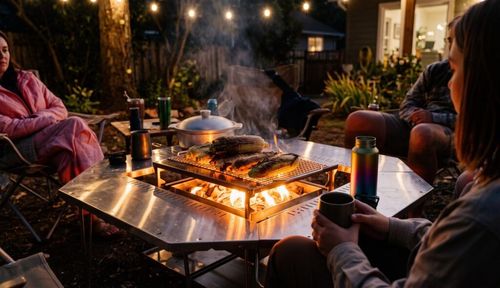
Snow Peak Takibi Propane Fireplace Inserts Recalled After Lava Rocks Explode

Snow Peak USA, Inc. of Portland, Oregon, is recalling its Snow Peak Takibi Fireplace Propane Inserts and Lava Rocks because the lava rocks can ignite and exp......
Boat Engines Produce Enough Carbon Monoxide to Kill in Minutes. Here Is Where It Builds Up.

CDC Health Alerts

Consumer Product Recalls

CPSC

Crime Alerts

FDA Alerts

14 October 2026

Post

Boat Engines Produce Enough Carbon Monoxide to Kill in Minutes. Here Is Where It Builds Up.

Carbon monoxide poisoning is one of the leading causes of boating-related deaths in the United States — and unlike CO hazards in a home, boat CO can accumula......
Your Pool Heater Could Be Filling Your Backyard with a Gas That Kills in Minutes

CDC Health Alerts

Consumer Product Recalls

CPSC

Crime Alerts

FDA Alerts

14 October 2026

Post

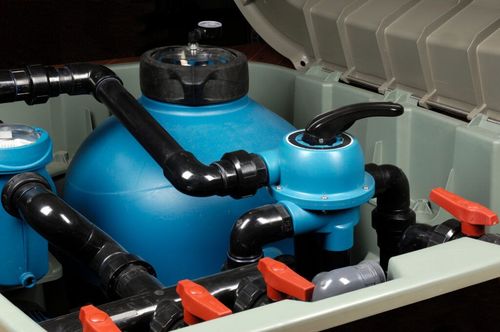
Your Pool Heater Could Be Filling Your Backyard with a Gas That Kills in Minutes

Gas-powered pool heaters produce carbon monoxide as a byproduct of combustion — and the U.S. Consumer Product Safety Commission (CPSC) warns that a malfuncti......
Holiday Decorations Cause Thousands of House Fires Every Year. Here Is What the CPSC Says to Stop Doing.

CDC Health Alerts

Consumer Product Recalls

CPSC

Crime Alerts

FDA Alerts

14 October 2026

Post

Holiday Decorations Cause Thousands of House Fires Every Year. Here Is What the CPSC Says to Stop Doing.

Every holiday season, Americans decorate their homes with lights, greenery, candles, and ornaments — and every holiday season, thousands of those homes catch......
The Garage Door Safety Test Most Homeowners Have Never Performed That Could Save a Child’s Life

CDC Health Alerts

Consumer Product Recalls

CPSC

Crime Alerts

FDA Alerts

14 October 2026

Post

The Garage Door Safety Test Most Homeowners Have Never Performed That Could Save a Child’s Life

Automatic garage doors are one of the largest moving mechanical objects in any American home — and the U.S. Consumer Product Safety Commission (CPSC) warns t......
The Electric Ride-On Toy That Can Reach Speeds Fast Enough to Seriously Injure Your Child

CDC Health Alerts

Consumer Product Recalls

CPSC

Crime Alerts

FDA Alerts

14 October 2026

Post

The Electric Ride-On Toy That Can Reach Speeds Fast Enough to Seriously Injure Your Child

Powered ride-on toys — electric cars, motorcycles, scooters, and ATVs designed for children — are among the most popular gifts of any holiday season. They ar......
14,000 Candle Fires Every Year. Here Is What the CPSC Says You Must Know

CDC Health Alerts

Consumer Product Recalls

CPSC

Crime Alerts

FDA Alerts

14 October 2026

Post

December Is the Deadliest Month for Candle Fires. Most Victims Were Asleep When the Fire Started.

Candles bring warmth and beauty to the holiday season — and they also cause thousands of home fires every year, with December consistently producing the high......
One Child Dies Every Two Weeks When a TV or Piece of Furniture Tips Over. Is Yours Anchored?

CDC Health Alerts

Consumer Product Recalls

CPSC

Crime Alerts

FDA Alerts

14 October 2026

Post

One Child Dies Every Two Weeks When a TV or Piece of Furniture Tips Over. Is Yours Anchored?

One child dies every two weeks in the United States when a television, piece of furniture, or appliance tips over and falls on them — and the U.S. Consumer P......
Lil Pick Up Recalls 4,900 Rex110 And Sierra110 Youth ATVs After One Child’s Death

CDC Health Alerts

Consumer Product Recalls

CPSC

Crime Alerts

FDA Alerts

14 October 2026

Post

Snowmobiles and ATVs Kill Over 800 People in Three Years. Are You Making These Deadly Mistakes?

Off-highway vehicles — including all-terrain vehicles, snowmobiles, recreational off-highway vehicles, and utility terrain vehicles — kill hundreds of Americ......
FDA: Breast Cancer Screening – Thermogram No Substitute for Mammogram

CDC Health Alerts

Consumer Product Recalls

CPSC

Crime Alerts

FDA Alerts

14 October 2026

Post

FDA: Breast Cancer Screening – Thermogram No Substitute for Mammogram

Proper breast cancer screening checks for cancer even before there may be signs and symptoms of the disease. Mammography (low-dose X-ray imaging of the breas......
CDC: Concussion Basics

CDC Health Alerts

Consumer Product Recalls

CPSC

Crime Alerts

FDA Alerts

14 October 2026

Post

CDC: Concussion Basics

Key points More Information Concussions are brain injuries A concussion is a type of traumatic brain injury—or TBI—caused by a bump, blow, or jolt to the hea......
FDA: Medical Device Cybersecurity – What You Need to Know

CDC Health Alerts

Consumer Product Recalls

CPSC

Crime Alerts

FDA Alerts

14 October 2026

Post

FDA: Medical Device Cybersecurity – What You Need to Know

Pacemakers, insulin pumps and other medical devices are becoming more advanced. Most contain software and connect to the internet, hospital networks, your mo......
CDC: About Intimate Partner Violence

CDC Health Alerts

Consumer Product Recalls

CPSC

Crime Alerts

FDA Alerts

14 October 2026

Post

CDC: About Intimate Partner Violence

Key points Overview Intimate partner violence (IPV) is abuse or aggression that occurs in a romantic relationship. Intimate partner refers to both current an......
FDA: Issued Warning About Imported Cookware

CDC Health Alerts

Consumer Product Recalls

CPSC

Crime Alerts

FDA Alerts

14 October 2026

Post

FDA: Issued Warning About Imported Cookware

What’s the Problem? The U.S. Food and Drug Administration (FDA) is warning retailers and consumers not to sell or use certain imported cookware that may leac......
Terms and ConditionsDo Not Sell or Share My Personal InformationPrivacy PolicyPrivacy NoticeAccessibility NoticeUnsubscribe
This website is an independent platform that provides information and services related to health, wellness, and safety. We rely on publicly available information to provide accurate and up-to-date information to our users. However, we are not affiliated with any government entity, and the information provided on this website is for general informational purposes only. We do not guarantee the accuracy, completeness, or usefulness of any information provided on this website. Any reliance you place on such information is strictly at your own risk. We are not responsible for any loss or damage arising from your use of this website or any information contained herein. Furthermore, the information provided on this website is not intended to be a substitute for professional medical advice, diagnosis, or treatment. Always seek the advice of a qualified healthcare provider with any questions you may have regarding a medical condition. Finally, any product or service mentioned on this website is not intended to diagnose, treat, cure, or prevent any disease.
Copyright © 2026 Emergency Message System