CDC Health Alerts

Recent Alerts

Rotten Mango: The Mom Who Hunted Cartel Killers

Rotten Mango: The Mom Who Hunted Cartel Killers

A grieving mother goes after her daughter's killers herself. Rotten Mango #369 tells the real-life 'Taken'.

Morbid: H.H. Holmes Part 1, the Original American Monster

Morbid: H.H. Holmes Part 1, the Original American Monster

A Chicago "castle," a charming doctor, and a trail of missing guests. Start Morbid's H.H. Holmes.

Don't F**k with Cats: Sleuths vs. a Killer

Don't F**k with Cats: Sleuths vs. a Killer

Internet sleuths hunt a killer from their keyboards. Stream the Netflix hit tonight.

Casefile: Three Beaumont Children Vanish From a Beach

Casefile: Three Beaumont Children Vanish From a Beach

Adelaide, 1966. Three siblings walked to the beach and never came home. Casefile Case 100 retells it.

My Favorite Murder: Christa Worthington and Typhoid Mary

My Favorite Murder: Christa Worthington and Typhoid Mary

A Cape Cod mother, a notorious cook, and two stories you can't unhear. Start MFM 105 tonight.

logo
  • Crime Alerts
  • CDC Alerts
  • FDA Alerts
  • Get Alerts
  • True Crime
  • Recalls
  • Crime Alerts
  • CDC Alerts
  • FDA Alerts
  • Get Alerts
  • True Crime
  • Recalls

CDC: Pet Travel Safety

What to know

  • Plan ahead of time if including pets in your travel plans.
  • Microchip your pet and make sure your contact information is updated.
  • Make sure your pet’s vaccinations are up to date.
  • Check regulations and required documentation for your destination before traveling.

Preparing for travel with pets

Owning a pet can increase opportunities to exercise, get outside, and explore new places. You may want to take your pet with you when you travel to new places. Traveling can sometimes be stressful, both for you and your pets. Preparation can help prevent stress and keep you and your pets safe and healthy.

Before traveling, properly identify your pet in case you get separated during your trip. Make sure your pet is microchipped for identification and keep your contact and pet information updated.

Keeping pets safe in the car

Having a smooth and safe road trip with your pet requires preparation and planning, especially if driving long distances.

  • To prepare your pet, take them on a series of short drives and gradually increase the amount of time spent in the car.
  • Before traveling across state lines, check the requirements for bringing pets along.
  • If your pet is riding on the seat, keep them in the back seat in a harness attached to the seat buckle to prevent injury. Allowing pets to roam around the car or ride with their head outside the window can be dangerous.
  • If your pet is kept in their crate, check that your pet can stand, sit, lie down, and turn around while inside the crate. Also, make sure the crate is well ventilated. Secure the crate so it won’t slide or shift when the car stops.
  • Bring plenty of water, food, a bowl, leash, waste bags, grooming supplies, medication and first-aid, and any travel documents including proof of rabies vaccination. Feed your pet 3 to 4 hours before leaving on your trip to prevent car sickness or vomiting.
  • Make frequent stops to allow dogs to go to the bathroom and stretch their legs.
  • Never leave your pet alone in a parked vehicle. On hot days, temperatures can rise quickly within minutes and can cause death. In cold weather, animals left in cars can freeze to death.

Keeping pets safe on airplanes

Traveling with pets by plane takes careful preparation and planning and could also be costly. If you must bring your pet on a flight, here are suggestions to keep your pet safe:

Weeks before your trip

  • Book a direct flight when possible to decrease the chances of your pet being separated from you during extreme weather or layovers.
  • Check your pet’s vaccinations to make sure they are up to date. Get a health certificate from your veterinarian dated within 10 days of your departure. For international travel, additional planning and healthcare requirements may be needed. Research the requirements for pets for your destination country as well as for the United States. When returning to the United States from abroad, your dog must meet all US entry requirements upon return.
  • For animals stowed in the plane’s cargo area, purchase a US Department of Agriculture-approved shipping crate. The crate must be large enough for your pet to stand, sit, and turn around in comfortably.

Before heading to the airport

  • Line the cargo crate with some type of bedding—shredded paper or towels—to absorb potential accidents. Place a small dish of water in the crate. Check the crate door is securely closed but not locked, so airline staff can open it in case of an emergency.
  • Your pet’s crate should have proper identification if shipped as cargo. Mark “live animal” on the crate, and include your name, cell phone, and destination phone number.

At the airport

Before departure or after arrival, give your dog a potty break before securing it in the crate for travel.

On the plane

If hand-carried, never place your pet in an overhead bin. Pets must be secured in their crates below the seat in front of you in accordance with airline policies.

International travel with pets‎

There are several requirements for traveling abroad with pets.

Prevent injury and illness when traveling

Practice safe and healthy habits to prevent your pet from getting sick or hurt on trips. Some diseases pets may be at risk for while traveling include rabies, leptospirosis, campylobacteriosis, and diseases spread by mosquitoes, fleas, and ticks like Lyme disease and West Nile virus. Some of these diseases can spread between people and animals.

  • Always supervise pets while traveling and on adventures.
  • Keep your pet in a carrier or on a leash.
  • Don’t allow pets to interact with other animals, especially street dogs, stray animals or wild animals.
  • Don’t let pets swim in, play in, or drink stagnant water or water that looks discolored, smells bad, has foam, scum, algal mats, or paint-like streaks on the surface, or has dead fish or other animals washed up on its shore or beach. Some bodies of water contain harmful algal blooms that can make people and pets sick.
  • Check pets for ticks after outdoor outings and talk to your veterinarian about use of a regular preventive treatment for fleas, ticks, and parasites.

First aid when traveling

Keep basic first-aid supplies for your pet in your car. You can use a travel-sized first-aid kit for your pet on flights.

  • Keep the phone numbers of your veterinarian, the National Animal Poison Control Center of the ASPCA (1-888-426-4435), and a 24-hour emergency veterinary hospital in the area where you will be visiting, easily accessible.
  • Perform a daily health check on your pet when away from home to assess their physical and behavioral changes. If you have concerns about your pet, contact your veterinarian or a local veterinarian.
  • Always remember: follow up any first aid administered to your pet with immediate veterinary care. First-aid care is not a substitute for veterinary care, but it may save your pet’s life until veterinary treatment is available.


Source: https://www.cdc.gov/healthy-pets/travel/index.html

Share This Alert

OR SHARE

Past Alerts & News

Romorgniz Six-Drawer Dressers Sold On Amazon Recalled Over Child Tip-Over Risk

CDC Health Alerts

Consumer Product Recalls

CPSC

Crime Alerts

FDA Alerts

14 October 2026

Post

Romorgniz Six-Drawer Dressers Sold On Amazon Recalled Over Child Tip-Over Risk

Romorgniz is recalling about 12,078 Romorgniz Six-Drawer Dressers because they are unstable if they are not anchored to the wall and can tip over onto childr......
Snow Peak Takibi Propane Fireplace Inserts Recalled After Lava Rocks Explode

CDC Health Alerts

Consumer Product Recalls

CPSC

Crime Alerts

FDA Alerts

14 October 2026

Post

Snow Peak Takibi Propane Fireplace Inserts Recalled After Lava Rocks Explode

Snow Peak USA, Inc. of Portland, Oregon, is recalling its Snow Peak Takibi Fireplace Propane Inserts and Lava Rocks because the lava rocks can ignite and exp......
Boat Engines Produce Enough Carbon Monoxide to Kill in Minutes. Here Is Where It Builds Up.

CDC Health Alerts

Consumer Product Recalls

CPSC

Crime Alerts

FDA Alerts

14 October 2026

Post

Boat Engines Produce Enough Carbon Monoxide to Kill in Minutes. Here Is Where It Builds Up.

Carbon monoxide poisoning is one of the leading causes of boating-related deaths in the United States — and unlike CO hazards in a home, boat CO can accumula......
Your Pool Heater Could Be Filling Your Backyard with a Gas That Kills in Minutes

CDC Health Alerts

Consumer Product Recalls

CPSC

Crime Alerts

FDA Alerts

14 October 2026

Post

Your Pool Heater Could Be Filling Your Backyard with a Gas That Kills in Minutes

Gas-powered pool heaters produce carbon monoxide as a byproduct of combustion — and the U.S. Consumer Product Safety Commission (CPSC) warns that a malfuncti......
Holiday Decorations Cause Thousands of House Fires Every Year. Here Is What the CPSC Says to Stop Doing.

CDC Health Alerts

Consumer Product Recalls

CPSC

Crime Alerts

FDA Alerts

14 October 2026

Post

Holiday Decorations Cause Thousands of House Fires Every Year. Here Is What the CPSC Says to Stop Doing.

Every holiday season, Americans decorate their homes with lights, greenery, candles, and ornaments — and every holiday season, thousands of those homes catch......
The Garage Door Safety Test Most Homeowners Have Never Performed That Could Save a Child’s Life

CDC Health Alerts

Consumer Product Recalls

CPSC

Crime Alerts

FDA Alerts

14 October 2026

Post

The Garage Door Safety Test Most Homeowners Have Never Performed That Could Save a Child’s Life

Automatic garage doors are one of the largest moving mechanical objects in any American home — and the U.S. Consumer Product Safety Commission (CPSC) warns t......
The Electric Ride-On Toy That Can Reach Speeds Fast Enough to Seriously Injure Your Child

CDC Health Alerts

Consumer Product Recalls

CPSC

Crime Alerts

FDA Alerts

14 October 2026

Post

The Electric Ride-On Toy That Can Reach Speeds Fast Enough to Seriously Injure Your Child

Powered ride-on toys — electric cars, motorcycles, scooters, and ATVs designed for children — are among the most popular gifts of any holiday season. They ar......
14,000 Candle Fires Every Year. Here Is What the CPSC Says You Must Know

CDC Health Alerts

Consumer Product Recalls

CPSC

Crime Alerts

FDA Alerts

14 October 2026

Post

December Is the Deadliest Month for Candle Fires. Most Victims Were Asleep When the Fire Started.

Candles bring warmth and beauty to the holiday season — and they also cause thousands of home fires every year, with December consistently producing the high......
One Child Dies Every Two Weeks When a TV or Piece of Furniture Tips Over. Is Yours Anchored?

CDC Health Alerts

Consumer Product Recalls

CPSC

Crime Alerts

FDA Alerts

14 October 2026

Post

One Child Dies Every Two Weeks When a TV or Piece of Furniture Tips Over. Is Yours Anchored?

One child dies every two weeks in the United States when a television, piece of furniture, or appliance tips over and falls on them — and the U.S. Consumer P......
Lil Pick Up Recalls 4,900 Rex110 And Sierra110 Youth ATVs After One Child’s Death

CDC Health Alerts

Consumer Product Recalls

CPSC

Crime Alerts

FDA Alerts

14 October 2026

Post

Snowmobiles and ATVs Kill Over 800 People in Three Years. Are You Making These Deadly Mistakes?

Off-highway vehicles — including all-terrain vehicles, snowmobiles, recreational off-highway vehicles, and utility terrain vehicles — kill hundreds of Americ......
FDA: Breast Cancer Screening – Thermogram No Substitute for Mammogram

CDC Health Alerts

Consumer Product Recalls

CPSC

Crime Alerts

FDA Alerts

14 October 2026

Post

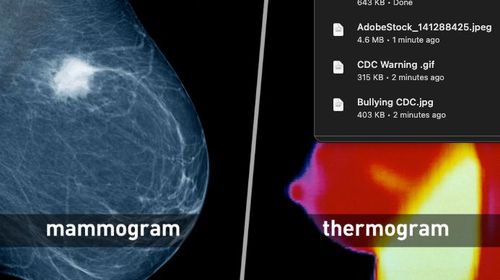
FDA: Breast Cancer Screening – Thermogram No Substitute for Mammogram

Proper breast cancer screening checks for cancer even before there may be signs and symptoms of the disease. Mammography (low-dose X-ray imaging of the breas......
CDC: Concussion Basics

CDC Health Alerts

Consumer Product Recalls

CPSC

Crime Alerts

FDA Alerts

14 October 2026

Post

CDC: Concussion Basics

Key points More Information Concussions are brain injuries A concussion is a type of traumatic brain injury—or TBI—caused by a bump, blow, or jolt to the hea......
FDA: Medical Device Cybersecurity – What You Need to Know

CDC Health Alerts

Consumer Product Recalls

CPSC

Crime Alerts

FDA Alerts

14 October 2026

Post

FDA: Medical Device Cybersecurity – What You Need to Know

Pacemakers, insulin pumps and other medical devices are becoming more advanced. Most contain software and connect to the internet, hospital networks, your mo......
CDC: About Intimate Partner Violence

CDC Health Alerts

Consumer Product Recalls

CPSC

Crime Alerts

FDA Alerts

14 October 2026

Post

CDC: About Intimate Partner Violence

Key points Overview Intimate partner violence (IPV) is abuse or aggression that occurs in a romantic relationship. Intimate partner refers to both current an......
FDA: Issued Warning About Imported Cookware

CDC Health Alerts

Consumer Product Recalls

CPSC

Crime Alerts

FDA Alerts

14 October 2026

Post

FDA: Issued Warning About Imported Cookware

What’s the Problem? The U.S. Food and Drug Administration (FDA) is warning retailers and consumers not to sell or use certain imported cookware that may leac......
Terms and ConditionsDo Not Sell or Share My Personal InformationPrivacy PolicyPrivacy NoticeAccessibility NoticeUnsubscribe
This website is an independent platform that provides information and services related to health, wellness, and safety. We rely on publicly available information to provide accurate and up-to-date information to our users. However, we are not affiliated with any government entity, and the information provided on this website is for general informational purposes only. We do not guarantee the accuracy, completeness, or usefulness of any information provided on this website. Any reliance you place on such information is strictly at your own risk. We are not responsible for any loss or damage arising from your use of this website or any information contained herein. Furthermore, the information provided on this website is not intended to be a substitute for professional medical advice, diagnosis, or treatment. Always seek the advice of a qualified healthcare provider with any questions you may have regarding a medical condition. Finally, any product or service mentioned on this website is not intended to diagnose, treat, cure, or prevent any disease.
Copyright © 2026 Emergency Message System