CDC Health Alerts

Recent Alerts

Rotten Mango: The Mom Who Hunted Cartel Killers

Rotten Mango: The Mom Who Hunted Cartel Killers

A grieving mother goes after her daughter's killers herself. Rotten Mango #369 tells the real-life 'Taken'.

Morbid: H.H. Holmes Part 1, the Original American Monster

Morbid: H.H. Holmes Part 1, the Original American Monster

A Chicago "castle," a charming doctor, and a trail of missing guests. Start Morbid's H.H. Holmes.

Don't F**k with Cats: Sleuths vs. a Killer

Don't F**k with Cats: Sleuths vs. a Killer

Internet sleuths hunt a killer from their keyboards. Stream the Netflix hit tonight.

Casefile: Three Beaumont Children Vanish From a Beach

Casefile: Three Beaumont Children Vanish From a Beach

Adelaide, 1966. Three siblings walked to the beach and never came home. Casefile Case 100 retells it.

My Favorite Murder: Christa Worthington and Typhoid Mary

My Favorite Murder: Christa Worthington and Typhoid Mary

A Cape Cod mother, a notorious cook, and two stories you can't unhear. Start MFM 105 tonight.

logo
  • Crime Alerts
  • CDC Alerts
  • FDA Alerts
  • Get Alerts
  • True Crime
  • Recalls
  • Crime Alerts
  • CDC Alerts
  • FDA Alerts
  • Get Alerts
  • True Crime
  • Recalls

CDC: Sun Safety Facts

WHAT TO KNOW

Most skin cancers are caused by too much exposure to ultraviolet (UV) light. Protection from UV rays is important all year.

Overview

Spending time outside is a great way to be physically active, reduce stress, and get vitamin D. You can work and play outside without raising your skin cancer risk by protecting your skin from the sun.

Most skin cancers are caused by too much exposure to ultraviolet (UV) light. UV rays are an invisible kind of radiation that comes from the sun, tanning beds, and sunlamps. UV rays can damage skin cells.

Protection from UV rays is important all year, not just during the summer. UV rays can reach you on cloudy and cool days, and they reflect off of surfaces like water, cement, sand, and snow. In the continental United States, UV rays tend to be strongest from 10 a.m. to 4 p.m. daylight saving time (9 a.m. to 3 p.m. standard time).

The UV Index forecasts the strength of UV rays each day. If the UV index is 3 or higher in your area, protect your skin from too much exposure to the sun.

How to protect your skin from the sun

Shade

You can reduce your risk of sun damage and skin cancer by staying in the shade under an umbrella, tree, or other shelter. Your best bet to protect your skin is to use sunscreen or wear protective clothing when you’re outside—even when you’re in the shade.

Clothing

When possible, wear long-sleeved shirts and long pants and skirts, which can provide protection from UV rays. If wearing this type of clothing isn’t practical, try to wear a T-shirt or a beach cover-up. Clothes made from tightly woven fabric offer the best protection. A wet T-shirt offers much less UV protection than a dry one, and darker colors may offer more protection than lighter colors. Some clothing is certified under international standards as offering UV protection.

Hat

For the most protection, wear a hat that has a brim all the way around that shades your face, your ears, and the back of your neck. A tightly woven fabric, such as canvas, works best to protect your skin from UV rays. Avoid straw hats with holes that let sunlight through. A darker hat may offer more UV protection.

If you wear a baseball cap, you should also protect your ears and the back of your neck by wearing clothing that covers those areas, using sunscreen, or staying in the shade.

Sunglasses

Sunglasses protect your eyes from UV rays and reduce the risk of cataracts. They also protect the tender skin around your eyes from sun exposure.

Sunglasses that block both UVA and UVB rays offer the best protection. Most sunglasses sold in the United States, regardless of cost, meet this standard. Wrap-around sunglasses work best because they block UV rays from sneaking in from the side.

Sunscreen

Put on broad spectrum sunscreen that filters out both UVA and UVB rays and has an SPF of 15 or higher before you go outside. Don’t forget to put a thick layer on all exposed skin. Get help for hard-to-reach places like your back. And remember, sunscreen works best when combined with other options.

Sunscreen is not recommended for babies who are 6 months old or younger. The US Food and Drug Administration recommends keeping infants out of the sun during midday and using protective clothing if they have to be in the sun.

SPF. Sunscreens are assigned a sun protection factor (SPF), which is a number that rates how well they filter out UV rays. Higher numbers indicate more protection. You should use a broad spectrum sunscreen with SPF of 15 or higher.

Reapplication. Sunscreen wears off. Put it on again if you stay out in the sun for more than 2 hours and after swimming, sweating, or toweling off.

Expiration date. Check the sunscreen’s expiration date. Sunscreen without an expiration date has a shelf life of no more than 3 years. Its shelf life is shorter if it has been exposed to high temperatures.

Sun safety tips for schools

Recess and other outdoor activities during the day can put students at risk if their skin isn’t protected from too much exposure to the sun. Teachers and school administrators can take steps to protect students from getting skin cancer later in life.

Increase shade

  • Provide shade structures or trees.
  • Move outdoor activities to shaded areas.
  • Plan for shade when developing or renovating school buildings, playgrounds, or athletic fields.

Promote sun-safe behaviors

  • Encourage students to wear hats, sunglasses, and sunscreen outdoors.
  • Try to avoid scheduling outdoor activities when the sun is strongest.
  • Provide breaks during outdoor activities so that students can reapply sunscreen and get water.

Use proven educational programs

Proven skin cancer prevention interventions and educational programs are available for child care centers and schools. The National Cancer Institute’s Evidence-Based Cancer Control Programs website lists sun-safety programs for schools.

Sun safety tips for employers

The Occupational Safety and Health Act requires employers to minimize risk of harm to workers. Employers may be required to provide workers’ compensation to employees who get skin cancer because of sun exposure on the job.

Skin cancer can greatly reduce workers’ productivity. Every year, Americans lose more than $100 million in productivity because of restricted activity or absence from work due to skin cancer.

Providing sun protection for outdoor workers helps create a healthy and safe workplace. It can also increase productivity, which saves money. Some of the tips below protect outdoor workers from heat as well as sun exposure.

Increase sun protection for employees

  • Encourage sun safety among your employees and provide sun protection when possible.
  • Use tents, shelters, and cooling stations to provide shade at worksites.
  • Schedule breaks in the shade and allow workers to reapply sunscreen throughout their shifts.
  • Create work schedules that minimize sun exposure. For example, schedule outdoor tasks like mowing for early morning instead of noon, and rotate workers to reduce their UV exposure.

Add sun safety to workplace policies and training

  • Include sun-safety information in workplace wellness programs. The National Cancer Institute’s Evidence-Based Cancer Control Programs website lists sun safety programs for outdoor worksites.
  • Teach outdoor workers about the risks of exposure to UV rays and the symptoms of overexposure.

Source: https://www.cdc.gov/skin-cancer/sun-safety/index.html#SunSafety

Share This Alert

OR SHARE

Past Alerts & News

Romorgniz Six-Drawer Dressers Sold On Amazon Recalled Over Child Tip-Over Risk

CDC Health Alerts

Consumer Product Recalls

CPSC

Crime Alerts

FDA Alerts

14 October 2026

Post

Romorgniz Six-Drawer Dressers Sold On Amazon Recalled Over Child Tip-Over Risk

Romorgniz is recalling about 12,078 Romorgniz Six-Drawer Dressers because they are unstable if they are not anchored to the wall and can tip over onto childr......
Snow Peak Takibi Propane Fireplace Inserts Recalled After Lava Rocks Explode

CDC Health Alerts

Consumer Product Recalls

CPSC

Crime Alerts

FDA Alerts

14 October 2026

Post

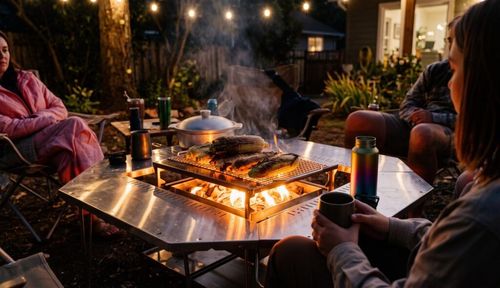
Snow Peak Takibi Propane Fireplace Inserts Recalled After Lava Rocks Explode

Snow Peak USA, Inc. of Portland, Oregon, is recalling its Snow Peak Takibi Fireplace Propane Inserts and Lava Rocks because the lava rocks can ignite and exp......
Boat Engines Produce Enough Carbon Monoxide to Kill in Minutes. Here Is Where It Builds Up.

CDC Health Alerts

Consumer Product Recalls

CPSC

Crime Alerts

FDA Alerts

14 October 2026

Post

Boat Engines Produce Enough Carbon Monoxide to Kill in Minutes. Here Is Where It Builds Up.

Carbon monoxide poisoning is one of the leading causes of boating-related deaths in the United States — and unlike CO hazards in a home, boat CO can accumula......
Your Pool Heater Could Be Filling Your Backyard with a Gas That Kills in Minutes

CDC Health Alerts

Consumer Product Recalls

CPSC

Crime Alerts

FDA Alerts

14 October 2026

Post

Your Pool Heater Could Be Filling Your Backyard with a Gas That Kills in Minutes

Gas-powered pool heaters produce carbon monoxide as a byproduct of combustion — and the U.S. Consumer Product Safety Commission (CPSC) warns that a malfuncti......
Holiday Decorations Cause Thousands of House Fires Every Year. Here Is What the CPSC Says to Stop Doing.

CDC Health Alerts

Consumer Product Recalls

CPSC

Crime Alerts

FDA Alerts

14 October 2026

Post

Holiday Decorations Cause Thousands of House Fires Every Year. Here Is What the CPSC Says to Stop Doing.

Every holiday season, Americans decorate their homes with lights, greenery, candles, and ornaments — and every holiday season, thousands of those homes catch......
The Garage Door Safety Test Most Homeowners Have Never Performed That Could Save a Child’s Life

CDC Health Alerts

Consumer Product Recalls

CPSC

Crime Alerts

FDA Alerts

14 October 2026

Post

The Garage Door Safety Test Most Homeowners Have Never Performed That Could Save a Child’s Life

Automatic garage doors are one of the largest moving mechanical objects in any American home — and the U.S. Consumer Product Safety Commission (CPSC) warns t......
The Electric Ride-On Toy That Can Reach Speeds Fast Enough to Seriously Injure Your Child

CDC Health Alerts

Consumer Product Recalls

CPSC

Crime Alerts

FDA Alerts

14 October 2026

Post

The Electric Ride-On Toy That Can Reach Speeds Fast Enough to Seriously Injure Your Child

Powered ride-on toys — electric cars, motorcycles, scooters, and ATVs designed for children — are among the most popular gifts of any holiday season. They ar......
14,000 Candle Fires Every Year. Here Is What the CPSC Says You Must Know

CDC Health Alerts

Consumer Product Recalls

CPSC

Crime Alerts

FDA Alerts

14 October 2026

Post

December Is the Deadliest Month for Candle Fires. Most Victims Were Asleep When the Fire Started.

Candles bring warmth and beauty to the holiday season — and they also cause thousands of home fires every year, with December consistently producing the high......
One Child Dies Every Two Weeks When a TV or Piece of Furniture Tips Over. Is Yours Anchored?

CDC Health Alerts

Consumer Product Recalls

CPSC

Crime Alerts

FDA Alerts

14 October 2026

Post

One Child Dies Every Two Weeks When a TV or Piece of Furniture Tips Over. Is Yours Anchored?

One child dies every two weeks in the United States when a television, piece of furniture, or appliance tips over and falls on them — and the U.S. Consumer P......
Lil Pick Up Recalls 4,900 Rex110 And Sierra110 Youth ATVs After One Child’s Death

CDC Health Alerts

Consumer Product Recalls

CPSC

Crime Alerts

FDA Alerts

14 October 2026

Post

Snowmobiles and ATVs Kill Over 800 People in Three Years. Are You Making These Deadly Mistakes?

Off-highway vehicles — including all-terrain vehicles, snowmobiles, recreational off-highway vehicles, and utility terrain vehicles — kill hundreds of Americ......
FDA: Breast Cancer Screening – Thermogram No Substitute for Mammogram

CDC Health Alerts

Consumer Product Recalls

CPSC

Crime Alerts

FDA Alerts

14 October 2026

Post

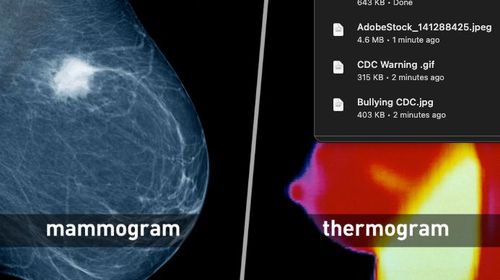
FDA: Breast Cancer Screening – Thermogram No Substitute for Mammogram

Proper breast cancer screening checks for cancer even before there may be signs and symptoms of the disease. Mammography (low-dose X-ray imaging of the breas......
CDC: Concussion Basics

CDC Health Alerts

Consumer Product Recalls

CPSC

Crime Alerts

FDA Alerts

14 October 2026

Post

CDC: Concussion Basics

Key points More Information Concussions are brain injuries A concussion is a type of traumatic brain injury—or TBI—caused by a bump, blow, or jolt to the hea......
FDA: Medical Device Cybersecurity – What You Need to Know

CDC Health Alerts

Consumer Product Recalls

CPSC

Crime Alerts

FDA Alerts

14 October 2026

Post

FDA: Medical Device Cybersecurity – What You Need to Know

Pacemakers, insulin pumps and other medical devices are becoming more advanced. Most contain software and connect to the internet, hospital networks, your mo......
CDC: About Intimate Partner Violence

CDC Health Alerts

Consumer Product Recalls

CPSC

Crime Alerts

FDA Alerts

14 October 2026

Post

CDC: About Intimate Partner Violence

Key points Overview Intimate partner violence (IPV) is abuse or aggression that occurs in a romantic relationship. Intimate partner refers to both current an......
FDA: Issued Warning About Imported Cookware

CDC Health Alerts

Consumer Product Recalls

CPSC

Crime Alerts

FDA Alerts

14 October 2026

Post

FDA: Issued Warning About Imported Cookware

What’s the Problem? The U.S. Food and Drug Administration (FDA) is warning retailers and consumers not to sell or use certain imported cookware that may leac......
Terms and ConditionsDo Not Sell or Share My Personal InformationPrivacy PolicyPrivacy NoticeAccessibility NoticeUnsubscribe
This website is an independent platform that provides information and services related to health, wellness, and safety. We rely on publicly available information to provide accurate and up-to-date information to our users. However, we are not affiliated with any government entity, and the information provided on this website is for general informational purposes only. We do not guarantee the accuracy, completeness, or usefulness of any information provided on this website. Any reliance you place on such information is strictly at your own risk. We are not responsible for any loss or damage arising from your use of this website or any information contained herein. Furthermore, the information provided on this website is not intended to be a substitute for professional medical advice, diagnosis, or treatment. Always seek the advice of a qualified healthcare provider with any questions you may have regarding a medical condition. Finally, any product or service mentioned on this website is not intended to diagnose, treat, cure, or prevent any disease.
Copyright © 2026 Emergency Message System