
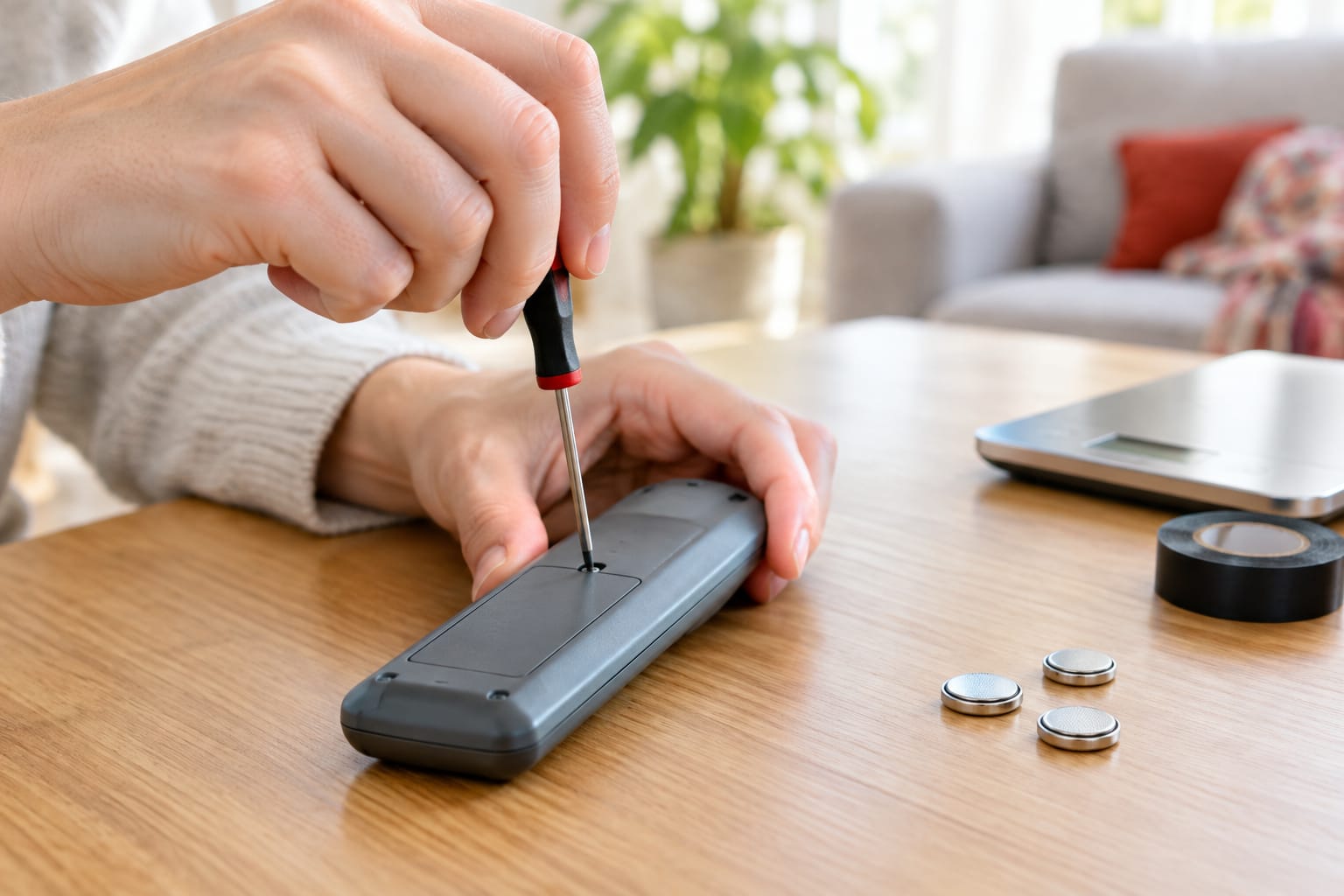
Button cell and coin batteries are small, and the CPSC says they are associated with thousands of emergency department visits every year. The CPSC warns that when a child swallows one, the results can be immediate, devastating and deadly.
According to the CPSC, a swallowed button cell battery can burn through a child's throat or esophagus in as little as two hours. This affects any family with young children and any home with small electronics.
What Is the Hazard?
The CPSC says children have been injured by swallowing loose button and coin cell batteries. Adults have also swallowed button batteries that they mistook for pills or tablets.
CPSC staff is aware of 27 deaths and an estimated 54,300 injuries treated in emergency rooms from 2011 through 2021. These were associated with ingested or inserted button cell or coin batteries.
These batteries are found in many everyday products. The CPSC lists these examples:
- Keyless entry remotes
- Wireless game controls
- Remote controls
- Toys
- Digital scales
- Digital thermometers
- Watches
- Musical greeting cards
- Calculators
- Flashing jewelry and shoes
- Hearing aids
- Smart home devices
What Is Being Done?
Reese's Law was enacted on August 16, 2022. In 2023 the CPSC voted to approve a mandatory standard to reduce button cell and coin battery ingestion hazards to children six years and younger.
The standard is ANSI/UL 4200A-2023. It requires either a tool such as a screwdriver or coin to open the battery compartment, or at least two independent and simultaneous movements to open it by hand. Products must also pass performance tests that simulate reasonably foreseeable use or misuse. The CPSC also set labeling requirements for button cell or coin battery packaging to warn of the ingestion hazard to children.
What Should You Do?
- Look for screw closures. Keep remotes, electronics and products with accessible button cell or coin batteries away from children if the battery compartments do not have a screw closure to secure them.
- Check the toys in your home. Toys with button cell or coin batteries are required to have a secure closure that needs a screwdriver, coin or tool to open. Make sure the battery compartments are secured.
- If a battery compartment holds button cell or coin batteries and is damaged, replace the product as soon as possible, or repair or dispose of it.
- Do not allow children to play with or be in contact with button cell or coin batteries.
- Secure loose batteries right away. As soon as a discharged cell is removed from a product, place non-conductive tape such as electrical tape over the battery's terminals or around the entire battery. Then discard it at a battery-collection center.
- Never put button cell or coin batteries in the mouth for any reason. They are easily swallowed by accident.
- To report an unsafe product, go to SaferProducts.gov or call (800) 638-2772. For people who are deaf or hard of hearing or have speech and language disorders, the number is (301) 595-7054.