FDA Alerts

Recent Alerts

Rotten Mango: The Lululemon Murder, a Staged Robbery

Rotten Mango: The Lululemon Murder, a Staged Robbery

A bloody scene in a yoga shop. A story that kept shifting. Hear Rotten Mango #22.

Morbid: The Circleville Letter Writer Terrorizes Ohio

Morbid: The Circleville Letter Writer Terrorizes Ohio

Anonymous letters. One Ohio town. Morbid digs into the Circleville Letter Writer.

American Predator: The Killer Who Hid in Plain Sight

American Predator: The Killer Who Hid in Plain Sight

He killed across the country and left almost no trace. Read American Predator on Israel Keyes.

The Tinder Swindler: A Dating-App Con Man

The Tinder Swindler: A Dating-App Con Man

He wooed women on Tinder, then the money requests began. Stream Netflix's The Tinder Swindler.

Casefile: The Strip Search Scam That Fooled a McDonald's

Casefile: The Strip Search Scam That Fooled a McDonald's

A prank caller posing as a cop. A Kentucky fast-food shift. Casefile Case 157 tells it.

logo
  • Crime Alerts
  • CDC Alerts
  • FDA Alerts
  • Get Alerts
  • True Crime
  • Recalls
  • Crime Alerts
  • CDC Alerts
  • FDA Alerts
  • Get Alerts
  • True Crime
  • Recalls

FDA: Traumatic Brain Injury

Article Image

Traumatic brain injury (TBI) can happen in a variety of situations. And everyone is at risk, especially children and older adults.

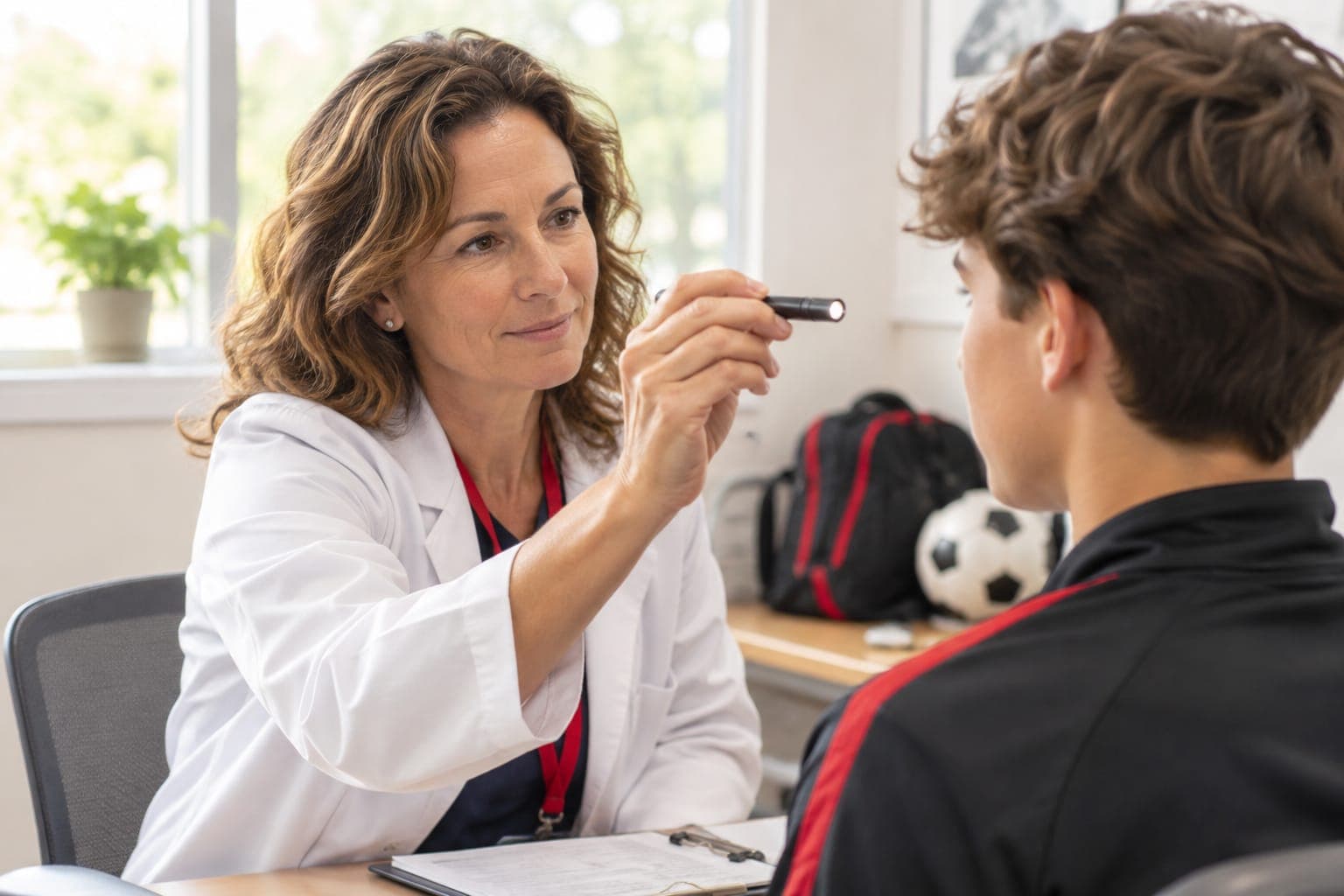
A car accident. A football tackle. An unfortunate fall. These things—and more—can cause head injuries. Head injuries can happen to anyone, at any age, and they can damage the brain.

Here’s how damage can happen: A sudden movement of the head and brain can cause the brain to bounce or twist in the skull, injuring brain cells, breaking blood vessels, and creating chemical changes. This damage is called a traumatic brain injury.

The U.S. Food and Drug Administration continues to study TBI and encourages the development of medical devices to help diagnose and treat it.

Causes and Symptoms of TBI

TBI is often caused by a bump, blow, jolt, or explosive blast to the head, or a penetrating head injury that disrupts the brain’s normal function. Not all hits to the head result in TBI. But when it happens, TBI can range from mild - like a brief change in mental status or consciousness, to severe - like a longer period of unconsciousness or major problems with thinking and behavior after injury.

About 75% of TBIs that occur each year are mild. If a person has the symptoms of TBI after a blow to the head, then the brain has been injured. Mild TBIs always involve some degree of brain injury.

Symptoms of mild TBI include:

  • headache
  • confusion
  • dizziness
  • ringing in the ears
  • memory impairment
  • blurred vision
  • behavioral changes

Moderate and severe TBI can produce more symptoms including:

  • repeated vomiting or nausea
  • slurred speech
  • weakness in the arms or legs
  • problems with thinking and learning
  • death

If you have questions about TBI, talk to your health care provider. Anyone with signs of TBI should receive medical attention as soon as possible. Call 911 in emergency situations.

Diagnosis of TBI

While some symptoms of mild TBI can be hard to detect, the Centers for Disease Control and Prevention, the American College of Rehabilitation Medicine, and some others have published guidelines for diagnosing TBI.

A medical exam is the first step to diagnose a potential brain injury. Assessment usually includes a neurological exam. This exam evaluates thinking, motor function (movement), sensory function, coordination, eye movement, and reflexes.

Imaging tests, including CT scans and MRI scans, cannot detect all TBIs. But tests from these FDA-regulated medical devices can help health care providers rule out some of the more serious brain injuries. In particular, these scans can detect bleeding that resulted from the traumatic injury which requires immediate medical or surgical attention.

None of the medical devices cleared or approved by FDA are intended to be used alone without the judgment of a health care provider trained to diagnose and treat TBI. The FDA has not cleared or approved any medical products that are intended to diagnose or treat TBI alone without other diagnostic tests or treatments managed by a health care provider.

Important safety note: The FDA issued a safety communication in 2019 that includes recommendations and warnings against the use of medical devices that have not been FDA-approved or FDA-cleared for the assessment, diagnosis, or management of a head injury or “concussion,” another name for mild traumatic brain injury.

Medical devices that are not FDA-approved or FDA-cleared may not correctly diagnose a TBI. FDA-approved and FDA-cleared devices may not correctly diagnose a TBI if used alone without other diagnostic tests managed by a healthcare provider. An incorrect diagnosis may lead to:

  • A wrong decision to let a person return to play or other activities with a brain injury
  • A missed diagnosis of brain injury, or
  • The lack of proper treatment for a head injury

If you have a head injury, seek medical attention right away. The FDA has not approved any devices that can assess or diagnose a traumatic brain injury without an evaluation by a health care provider.

More FDA Actions and Research on TBI

The FDA continues to work with the research and clinical community to develop better-designed clinical studies so new medical products can be developed. And the FDA continues to review and evaluate medical devices for safety and effectiveness.

More sensitive and objective ways to diagnose and detect mild TBI are needed. Timely diagnosis is important to prevent repetitive injury and to help develop new therapies. That’s because repetitive injury carries the risk of “second impact syndrome.” If people who have not recovered from a head injury have a second head injury, this can result in more significant injury to the brain and more neurological deficits. And, in some cases, repetitive injury can be fatal or cause dementia later in life.

The FDA’s scientists continue to conduct research on diagnostic tests for mild TBI. The scientists are studying TBI blood tests, special brain imaging, eye movements, and brain wave patterns. They are also investigating using portable imaging devices to detect mild TBI.

What to Know About the Effects of TBI

Little can be done to reverse initial brain damage caused by trauma according to the National Institute of Neurological Disorders and Stroke. But health care professionals will work to stabilize patients and try to prevent further harm. The severity of long-term effects depends on the seriousness of the injury, location of the injury, the number of previous brain injuries, and the age and general health of a patient.

Helping Protect Athletes’ Brains from Repeated Minor Impacts to the Head

In early 2021, the FDA authorized marketing of a device to aid in the protection of the brain from effects associated with repeated minor impacts to the head seen on special MRI scans.

The device, called the Q-Collar, is intended for athletes aged 13 years and older. The device should be used with other protective sports equipment, which it does not replace. The Q-Collar does not require a prescription. Use has not been shown to allow for more rapid return to TBI risk activities or to allow for undertaking activities with increased risk of TBI or use of increased force during sports activities.

Remember, if you have any have questions about a possible brain injury, please talk with your health care provider.


Source:https://www.fda.gov/consumers/consumer-updates/traumatic-brain-injury-what-know-about-symptoms-diagnosis-and-treatment

Share This Alert

OR SHARE

Past Alerts & News

FDA Alerts

08 November 2026

Post

FDA: Vaccination Is the Best Protection Against Measles

The FDA explains that approved measles vaccines are safe and effective, who is most at risk from measles.....

FDA Alerts

06 November 2026

Post

FDA: How to Properly Store E-Liquids

The FDA explains why e-liquids are dangerous for children and pets, how to store and handle them safely....

FDA Alerts

04 November 2026

Post

FDA: Know Your Treatment Options for COVID-19

The FDA explains COVID-19 treatment options, why talking to a health care professional right away matters...

FDA Alerts

02 November 2026

Post

FDA: It's a Good Time to Get Your Flu Vaccine

The FDA explains why getting a flu vaccine in the fall can lower your chances of getting the flu, and why a new vaccine is made every year....
Romorgniz Six-Drawer Dressers Sold On Amazon Recalled Over Child Tip-Over Risk

CDC Health Alerts

Consumer Product Recalls

CPSC

Crime Alerts

FDA Alerts

14 October 2026

Post

Romorgniz Six-Drawer Dressers Sold On Amazon Recalled Over Child Tip-Over Risk

Romorgniz is recalling about 12,078 Romorgniz Six-Drawer Dressers because they are unstable if they are not anchored to the wall and can tip over onto childr......
Snow Peak Takibi Propane Fireplace Inserts Recalled After Lava Rocks Explode

CDC Health Alerts

Consumer Product Recalls

CPSC

Crime Alerts

FDA Alerts

14 October 2026

Post

Snow Peak Takibi Propane Fireplace Inserts Recalled After Lava Rocks Explode

Snow Peak USA, Inc. of Portland, Oregon, is recalling its Snow Peak Takibi Fireplace Propane Inserts and Lava Rocks because the lava rocks can ignite and exp......
Boat Engines Produce Enough Carbon Monoxide to Kill in Minutes. Here Is Where It Builds Up.

CDC Health Alerts

Consumer Product Recalls

CPSC

Crime Alerts

FDA Alerts

14 October 2026

Post

Boat Engines Produce Enough Carbon Monoxide to Kill in Minutes. Here Is Where It Builds Up.

Carbon monoxide poisoning is one of the leading causes of boating-related deaths in the United States — and unlike CO hazards in a home, boat CO can accumula......
Your Pool Heater Could Be Filling Your Backyard with a Gas That Kills in Minutes

CDC Health Alerts

Consumer Product Recalls

CPSC

Crime Alerts

FDA Alerts

14 October 2026

Post

Your Pool Heater Could Be Filling Your Backyard with a Gas That Kills in Minutes

Gas-powered pool heaters produce carbon monoxide as a byproduct of combustion — and the U.S. Consumer Product Safety Commission (CPSC) warns that a malfuncti......
Holiday Decorations Cause Thousands of House Fires Every Year. Here Is What the CPSC Says to Stop Doing.

CDC Health Alerts

Consumer Product Recalls

CPSC

Crime Alerts

FDA Alerts

14 October 2026

Post

Holiday Decorations Cause Thousands of House Fires Every Year. Here Is What the CPSC Says to Stop Doing.

Every holiday season, Americans decorate their homes with lights, greenery, candles, and ornaments — and every holiday season, thousands of those homes catch......
The Garage Door Safety Test Most Homeowners Have Never Performed That Could Save a Child’s Life

CDC Health Alerts

Consumer Product Recalls

CPSC

Crime Alerts

FDA Alerts

14 October 2026

Post

The Garage Door Safety Test Most Homeowners Have Never Performed That Could Save a Child’s Life

Automatic garage doors are one of the largest moving mechanical objects in any American home — and the U.S. Consumer Product Safety Commission (CPSC) warns t......
The Electric Ride-On Toy That Can Reach Speeds Fast Enough to Seriously Injure Your Child

CDC Health Alerts

Consumer Product Recalls

CPSC

Crime Alerts

FDA Alerts

14 October 2026

Post

The Electric Ride-On Toy That Can Reach Speeds Fast Enough to Seriously Injure Your Child

Powered ride-on toys — electric cars, motorcycles, scooters, and ATVs designed for children — are among the most popular gifts of any holiday season. They ar......
14,000 Candle Fires Every Year. Here Is What the CPSC Says You Must Know

CDC Health Alerts

Consumer Product Recalls

CPSC

Crime Alerts

FDA Alerts

14 October 2026

Post

December Is the Deadliest Month for Candle Fires. Most Victims Were Asleep When the Fire Started.

Candles bring warmth and beauty to the holiday season — and they also cause thousands of home fires every year, with December consistently producing the high......
One Child Dies Every Two Weeks When a TV or Piece of Furniture Tips Over. Is Yours Anchored?

CDC Health Alerts

Consumer Product Recalls

CPSC

Crime Alerts

FDA Alerts

14 October 2026

Post

One Child Dies Every Two Weeks When a TV or Piece of Furniture Tips Over. Is Yours Anchored?

One child dies every two weeks in the United States when a television, piece of furniture, or appliance tips over and falls on them — and the U.S. Consumer P......
Lil Pick Up Recalls 4,900 Rex110 And Sierra110 Youth ATVs After One Child’s Death

CDC Health Alerts

Consumer Product Recalls

CPSC

Crime Alerts

FDA Alerts

14 October 2026

Post

Snowmobiles and ATVs Kill Over 800 People in Three Years. Are You Making These Deadly Mistakes?

Off-highway vehicles — including all-terrain vehicles, snowmobiles, recreational off-highway vehicles, and utility terrain vehicles — kill hundreds of Americ......
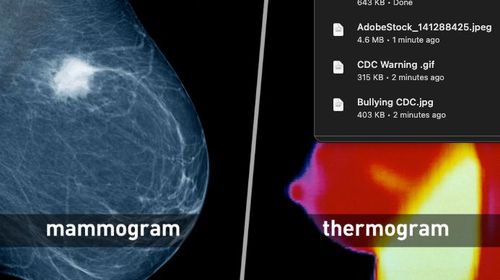
FDA: Breast Cancer Screening – Thermogram No Substitute for Mammogram

CDC Health Alerts

Consumer Product Recalls

CPSC

Crime Alerts

FDA Alerts

14 October 2026

Post

FDA: Breast Cancer Screening – Thermogram No Substitute for Mammogram

Proper breast cancer screening checks for cancer even before there may be signs and symptoms of the disease. Mammography (low-dose X-ray imaging of the breas......
Terms and ConditionsDo Not Sell or Share My Personal InformationPrivacy PolicyPrivacy NoticeAccessibility NoticeUnsubscribe
This website is an independent platform that provides information and services related to health, wellness, and safety. We rely on publicly available information to provide accurate and up-to-date information to our users. However, we are not affiliated with any government entity, and the information provided on this website is for general informational purposes only. We do not guarantee the accuracy, completeness, or usefulness of any information provided on this website. Any reliance you place on such information is strictly at your own risk. We are not responsible for any loss or damage arising from your use of this website or any information contained herein. Furthermore, the information provided on this website is not intended to be a substitute for professional medical advice, diagnosis, or treatment. Always seek the advice of a qualified healthcare provider with any questions you may have regarding a medical condition. Finally, any product or service mentioned on this website is not intended to diagnose, treat, cure, or prevent any disease.
Copyright © 2026 Emergency Message System