In Cold Blood: The Kansas Farmhouse Murders That Created True Crime, and the Mystery Still Hanging Over Them
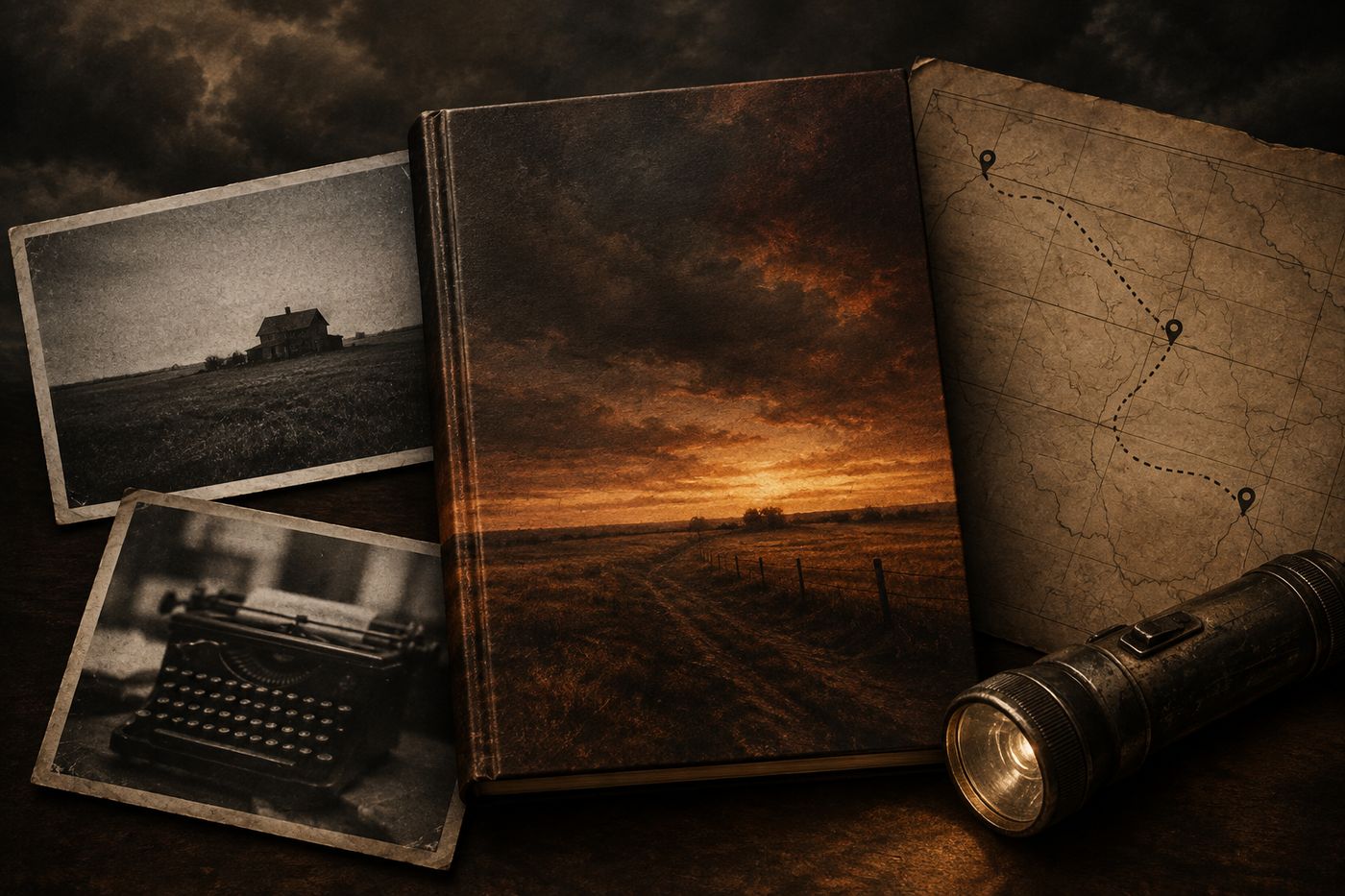
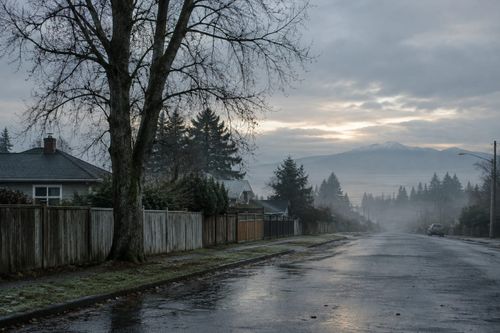
November 15, 1959. Holcomb, Kansas. A respected wheat farmer, his wife, and their two teenage kids are found bound and shot inside their own farmhouse. There's no obvious motive and no suspects. A town where nobody bothered to lock the door suddenly can't sleep at night.
Truman Capote read about the killings in the newspaper and headed west, bringing his childhood friend Harper Lee along to help with the research. Years of interviews later, he delivered In Cold Blood, a "nonfiction novel" that gets inside the heads of everyone involved: the Clutters, their stunned neighbors, the detectives chasing ghosts, and the two ex-cons, Dick Hickock and Perry Smith, who were eventually hanged for the crime. It's the book that turned true crime into literature, and it reads like a thriller you can't put down.
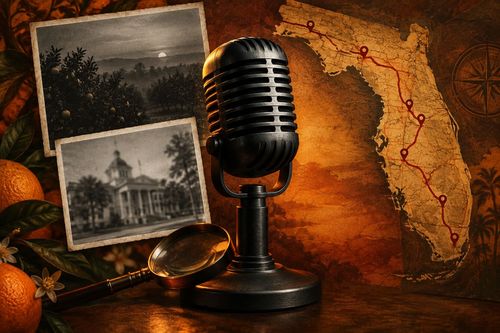
Capote's version isn't the final word, though. Critics have long questioned how much he polished and embellished. There's also a darker loose thread. About a month after Holcomb, a young family of four was murdered in Osprey, Florida, while Hickock and Smith were on the run in that same state. Capote's book brushed off any link. Florida investigators didn't. In 2012, both killers were exhumed for DNA testing. The results came back inconclusive, and the Walker family case has never been solved.
Read it once and you'll never forget that farmhouse on the prairie. Find In Cold Blood on Goodreads and start it tonight.