Every fall, as temperatures drop and Americans begin sealing their homes and switching on heating equipment, emergency rooms see a predictable surge in carbon monoxide poisoning cases — and most victims have no idea what hit them. The U.S. Consumer Product Safety Commission (CPSC) warns that CO poisoning from indoor heating equipment, including gas furnaces, fireplaces, fuel-burning space heaters, and improperly vented appliances, kills more than 200 Americans every year and sends thousands more to emergency departments.
Why CO Poisoning Surges in Fall
In warmer months, windows are open and CO from malfunctioning appliances disperses. When fall arrives and windows close, CO from the same appliances accumulates indoors. The first cold snap of the season is when improperly maintained furnaces and heating appliances are switched on for the first time — and when faults that developed over the spring and summer become life-threatening.
CPSC notes that the symptoms of CO poisoning — headache, dizziness, nausea, and fatigue — closely mimic the flu. Many victims attribute their symptoms to a seasonal illness and do not seek emergency help until they lose consciousness.
The Most Dangerous Heating Mistakes
- Running an unvented gas space heater indoors — produces CO directly into the living space
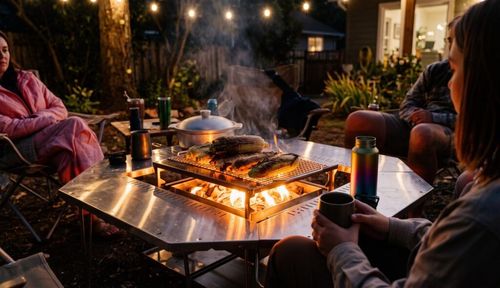
- Burning charcoal indoors or in a garage for heat or cooking — charcoal produces extreme levels of CO
- Using a gas oven to heat the home — ovens produce CO at levels that can be fatal in a closed home
- Not having a gas furnace professionally inspected before the heating season — cracks in heat exchangers allow CO to enter the home’s air supply
- Blocked or disconnected furnace exhaust vents — prevent CO from exiting the home
What to Do Now
- Install CO alarms on every level of your home and outside every sleeping area. Test them monthly.
- Have your gas furnace, fireplace, and any fuel-burning appliances professionally inspected before the heating season begins.
- Never use a gas oven or charcoal for heating under any circumstances.
- If your CO alarm sounds, evacuate immediately and call 911.
To report a dangerous product or a product-related injury, visit SaferProducts.gov or call CPSC’s Hotline at 800-638-2772.
Source: https://www.cpsc.gov/safety-education/safety-guides/carbon-monoxide/carbon-monoxide-fact-sheet