
CDC Alerts

Recent Alerts

Morbid: Burke & Hare, Edinburgh's Body-Selling Killers

Morbid: Burke & Hare, Edinburgh's Body-Selling Killers

Edinburgh's body-selling killers. Hear Morbid's Burke & Hare Part 1.

Casefile 59: Amy Lynn Bradley's Vanishing at Sea

Casefile 59: Amy Lynn Bradley's Vanishing at Sea

March 1998. A balcony, a cruise ship, and a 23-year-old no one saw leave. Hear Casefile Case 59.

MFM: Free Range Children, Zoot Suit Riots

MFM: Free Range Children, Zoot Suit Riots

LA, 1943: sailors hunted young men in zoot suits. MFM 233 goes there, plus a 1976 bus kidnapping.

Bad Vegan: A Celebrity Chef's Fraud Story

Bad Vegan: A Celebrity Chef's Fraud Story

A celebrity restaurateur, a whirlwind romance, and a fortune gone. Stream Netflix's Bad Vegan.

The Executioner's Song: Gary Gilmore's Final Days

The Executioner's Song: Gary Gilmore's Final Days

Two killings, one demand to be executed. Mailer's Pulitzer winner follows Gary Gilmore.

Emergency Message System
  • Crime Alerts
  • CDC Alerts
  • FDA Alerts
  • Get Alerts
  • True Crime
  • Recalls
  • Crime Alerts
  • CDC Alerts
  • FDA Alerts
  • Get Alerts
  • True Crime
  • Recalls

CDC: About Valley Fever

Article Image

Key points

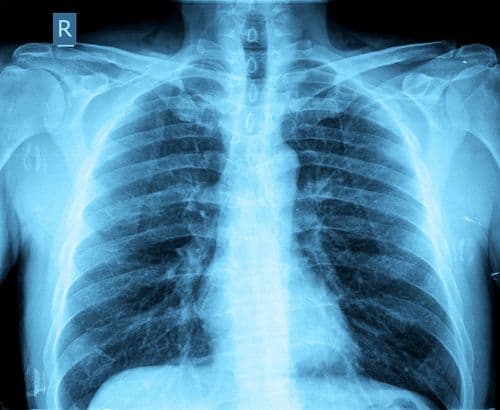
  • Valley fever (coccidioidomycosis) is a lung infection caused by breathing in spores from the fungus, Coccidioides.
  • Coccidioides lives in soil in some areas in the southwestern U.S. and south-central Washington state.
  • Usually, people who get sick with Valley fever get better on their own, but some people will need antifungal medication.
  • Valley fever is often misdiagnosed, delaying treatment when needed.

Overview

Valley fever (coccidioidomycosis) is a lung infection caused by Coccidioides, a fungus that lives in the soil. The fungus is found in the Pacific Northwest and southwestern United States, and parts of Mexico, Central America, and South America.

People can get Valley fever by breathing in the spores from Coccidioides. Some people breathe in the spores and never get sick. Valley fever causes typical lung infection symptoms like cough and fever.

Certain groups of people are at increased risk for more severe illness. While it is very rare, the infection can spread to other parts of the body (called disseminated infection). Early treatment with antifungal medications can save lives.

Because Valley fever has the same symptoms as pneumonias caused by bacteria or viruses, it is often misdiagnosed or undiagnosed. This can lead to ineffective treatments or delays in appropriate antifungal treatment for people who need it.

Pets can also become infected. Valley fever does not spread from person to person or between people and animals.

Symptoms

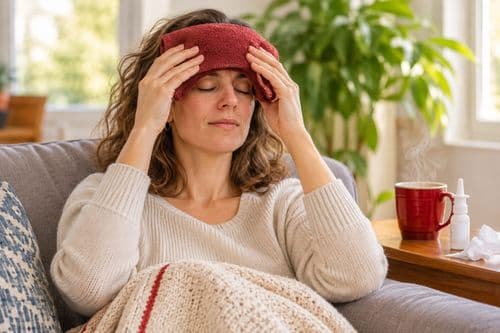
Some people who are exposed to the fungus never have symptoms. Other people may have symptoms that include:

  • Fatigue (tiredness)
  • Cough
  • Fever and headache
  • Shortness of breath
  • Night sweats
  • Muscle aches or joint pain
  • Rash on upper body or legs

The symptoms of Valley fever differ from person to person.

Severe infections

Approximately 5 to 10% of people who get Valley fever will develop serious or long-term problems in their lungs. In an even smaller percent of people (about 1%), the infection spreads from the lungs to other parts of the body. This includes skin, bones, joints, or brain (meningitis).

Treatment

Many people get better on their own within weeks or months without any treatment. However, some people need treatment to reduce symptoms or stop them from getting worse.

Severe infections or infections that spread to other parts of the body require antifungal medication and may require hospitalization.


Source:https://www.cdc.gov/valley-fever/about/index.html

Share This Alert

OR SHARE

Past Alerts & News

CDC Alerts

21 November 2026

Post

CDC: About C. perfringens food poisoning

The CDC explains what C. perfringens food poisoning is, which foods are linked to it, and where outbreaks tend to happen, including around the holidays....
Read More

CDC Alerts

19 November 2026

Post

CDC: About COPD

The CDC explains what COPD is, its symptoms, causes, risk factors, how it is diagnosed, and the treatment and lifestyle options that can help manage it....
Read More

CDC Alerts

17 November 2026

Post

CDC: About Pneumonia

The CDC explains what pneumonia is, the main types, common symptoms, the germs that cause it, and how people can lower their......
Read More

CDC Alerts

15 November 2026

Post

CDC: Urinary Tract Infection Basics

The CDC explains urinary tract infection symptoms, risk factors, prevention, diagnosis, treatment, and when to see a healthcare professional....
Read More

CDC Alerts

13 November 2026

Post

CDC: Sore Throat Basics

The CDC explains the signs, causes, prevention and treatment of sore throat, and when to seek medical care....
Read More

CDC Alerts

11 November 2026

Post

CDC: Sinus Infection Basics

Stuffy nose that just isn't getting better? The CDC explains sinus infection signs, causes, prevention, when to seek care, and treatment....
Read More

CDC Alerts

09 November 2026

Post

CDC: Ear Infection Basics

The CDC explains the signs, causes, prevention and treatment of ear infections in children, and when to seek medical care....
Read More

CDC Alerts

07 November 2026

Post

CDC: Travel to Cold Climates

The CDC explains how cold-related injuries can happen even in mild weather, and what to know about hypothermia and frostbite when traveling in the cold....
Read More

CDC Alerts

05 November 2026

Post

CDC: Preventing Frostbite

The CDC explains who is at risk for frostbite, the signs to watch for. ...
Read More

CDC Alerts

03 November 2026

Post

CDC: Preventing Hypothermia

The CDC explains who is most at risk for hypothermia, the warning signs to look for, and what to do if someone develops it in cold weather....
Read More

CDC Alerts

01 November 2026

Post

CDC: Healthy Habits to Prevent Flu

Healthy habits can stop the spread of germs and help prevent flu....
Read More
Terms and ConditionsDo Not Sell or Share My Personal InformationPrivacy PolicyPrivacy NoticeAccessibility NoticeUnsubscribe
This website is an independent platform that provides information and services related to health, wellness, and safety. We rely on publicly available information to provide accurate and up-to-date information to our users. However, we are not affiliated with any government entity, and the information provided on this website is for general informational purposes only. We do not guarantee the accuracy, completeness, or usefulness of any information provided on this website. Any reliance you place on such information is strictly at your own risk. We are not responsible for any loss or damage arising from your use of this website or any information contained herein. Furthermore, the information provided on this website is not intended to be a substitute for professional medical advice, diagnosis, or treatment. Always seek the advice of a qualified healthcare provider with any questions you may have regarding a medical condition. Finally, any product or service mentioned on this website is not intended to diagnose, treat, cure, or prevent any disease.
Copyright © 2026 Emergency Message System