FDA Alerts

Recent Alerts

Morbid: The Violent Deaths of Bog Bodies

Morbid: The Violent Deaths of Bog Bodies

Preserved for centuries, the bog bodies still have secrets. Hear Morbid dig in.

American Nightmare: The Kidnapping Police Called a Hoax

American Nightmare: The Kidnapping Police Called a Hoax

She said she was kidnapped. Police said she lied. Netflix's American Nightmare asks who to believe.

Casefile: Cari Farver and a Catfishing Case With a Twist

Casefile: Cari Farver and a Catfishing Case With a Twist

Omaha, 2012. A woman vanishes, and her texts keep coming. Casefile Case 211 digs in.

Empire of Pain: The Sacklers and the Opioid Crisis

Empire of Pain: The Sacklers and the Opioid Crisis

A billion-dollar family and a deadly drug. Read Empire of Pain tonight.

Crime Junkie: Baby Jessica Fell, Then Sid & Nancy

Crime Junkie: Baby Jessica Fell, Then Sid & Nancy

Wait, wrong show? No. MFM 221 pairs a 1987 rescue with a rock-and-roll tragedy.

logo
  • Crime Alerts
  • CDC Alerts
  • FDA Alerts
  • Get Alerts
  • True Crime
  • Recalls
  • Crime Alerts
  • CDC Alerts
  • FDA Alerts
  • Get Alerts
  • True Crime
  • Recalls

FDA: FDA-Approved Devices

Article Image

Heart disease, also called cardiovascular disease, can have serious consequences. It's the leading cause of death for adults in the U.S. Medical devices approved by the U.S. Food and Drug Administration, such as pacemakers and defibrillators, have extended and improved the lives of millions of people living with heart disease.

The FDA evaluates certain devices for safety and effectiveness before they can be marketed to the public, including those used to treat cardiovascular conditions and other related issues. Many of these FDA-approved medical devices can be implanted in a person's body, while others are used outside the body. Health care providers determine which cardiovascular devices, if any, are best for each patient.

Below are some categories of FDA-approved devices used to treat various cardiovascular issues. Types of heart devices include:

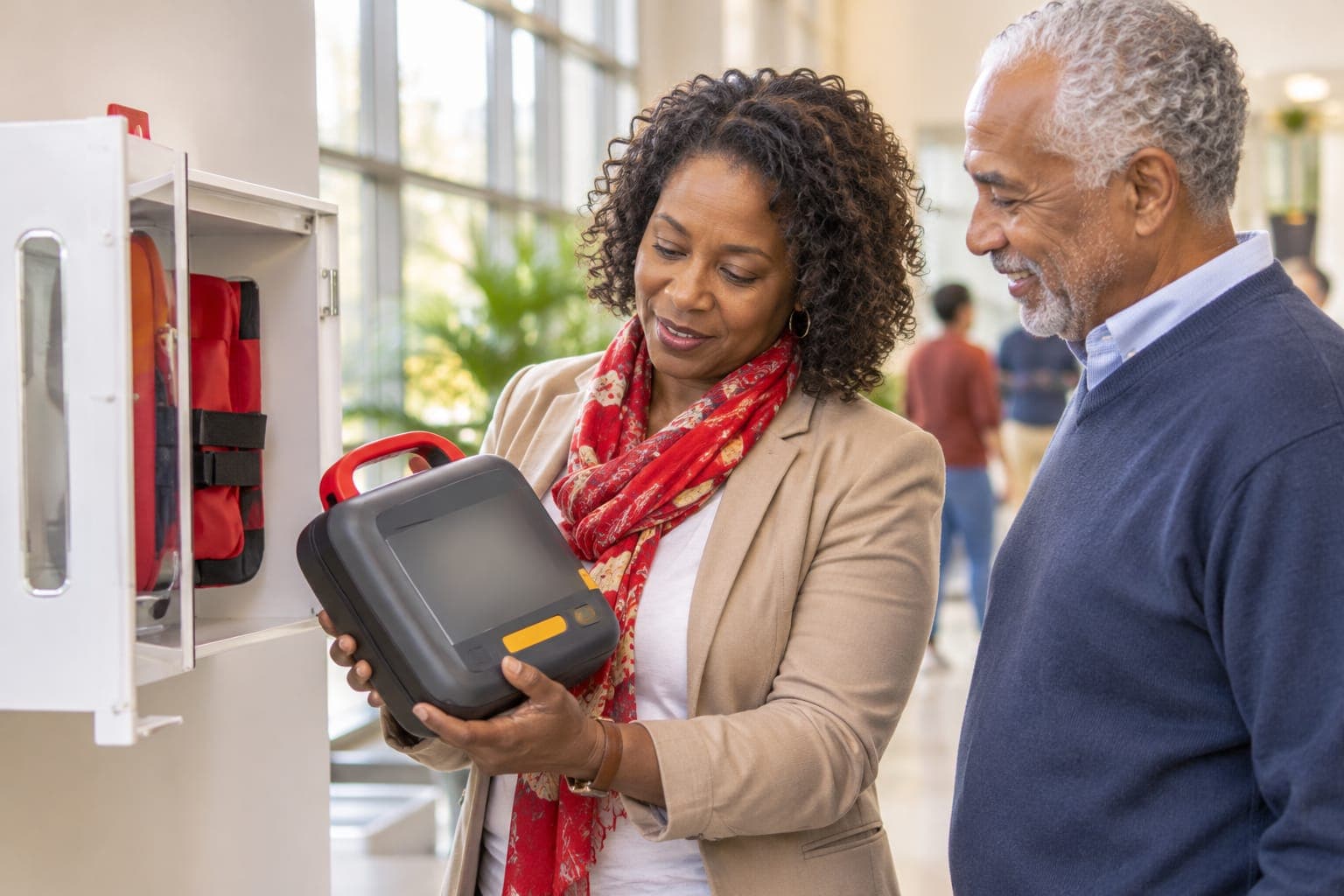
Automated external defibrillators: Commonly referred to as AEDs, these portable and automatic devices are often found in public places and can save lives. They help restore normal heart rhythm in patients whose hearts suddenly and unexpectedly stop pumping blood, an event called cardiac arrest. AEDs analyze heart rhythm and can help rescuers determine whether a shock is needed to restore a normal heartbeat. These devices are not difficult to use, but training in the use of AEDs is highly recommended. Learn more about AEDs on the FDA's website.

Cardiac ablation catheters: Long, thin flexible tubes that are threaded into or onto the heart, cardiac ablation catheters treat abnormally rapid heartbeats. They work by modifying small areas of heart tissue that are causing abnormal heart rhythms.

Cardiovascular angioplasty devices: These are long, thin, flexible tubes that are threaded into a heart or other blood vessel to open narrowed or blocked areas. They are intended to improve blood flow to the heart, reduce chest pain, and treat heart attacks.

Cardiac pacemakers: Small and battery-powered, pacemakers are implanted into the body. Used when the heart beats too slowly, they monitor the organ's electrical impulses and, when needed, deliver electrical stimulation to make it beat at a more appropriate rate.

Implantable cardioverter defibrillators: These devices monitor heart rhythms and deliver paced heartbeats and shocks if dangerously fast rhythms are detected. Many record the heart's electrical patterns when certain abnormal rhythms occur, allowing doctors to review the patterns.

Prosthetic (artificial) heart valves: Used for replacing diseased or dysfunctional heart valves, which direct blood flow through the heart, these are available in two forms. Mechanical valves are made of man-made materials. The second type, called bioprosthetic valves, are made from tissue taken from animals or human cadavers.

Stents: Small, lattice-shaped, metal tubes that are inserted permanently into an artery, stents are intended to help improve blood flow. Some contain drugs that may reduce the chance that arteries will become blocked again.

Ventricular assist devices: Mechanical pumps that are intended to help weak hearts pump blood effectively, VADs were originally approved for short-term use until donor hearts became available. Some are now approved for long-term therapy in patients with severe heart failure who are not candidates for heart transplants.

When to Seek Medical Help

If you have questions or concerns about your heart, talk to your primary care doctor. If you feel like you're having a heart attack or other emergency medical issues, immediately call 911.

Know the warning signs and symptoms of a heart attack. The chances of survival are greater when emergency treatment begins quickly.

Sudden cardiac arrest occurs when the heart suddenly and unexpectedly stops pumping blood. If cardiac arrest does occur, rapid treatment with a lifesaving AED is essential. Defibrillation is time-sensitive effort, the probability of survival decreases by 7% to 10% for every minute that the heart remains in a state of cardiac arrest.

First-responders are typically equipped with and trained to use AEDs. These devices are also often found in public areas, and people with CPR and AED training can use them to help a person in cardiac arrest.

Report Device Problems to the FDA

If you think you or someone you know had a problem with a device or experienced a side effect related to the use of a device, report the problem through the FDA's MedWatch Safety Information and Adverse Event Reporting Program:

  • Complete and submit the report online.
  • Download the form or call 1-800-332-1088 to request a reporting form, then complete and return to the address on the form or submit by fax to 1-800-FDA-0178.

If you have questions about an AED device or AED accessory, contact the manufacturer. You can also call the FDA Consumer Complaint Coordinator who works with your state;phone numbers are listed online.

Source:https://www.fda.gov/consumers/consumer-updates/fda-approved-devices-help-keep-heart-beating

Share This Alert

OR SHARE

Past Alerts & News

FDA Alerts

10 November 2026

Post

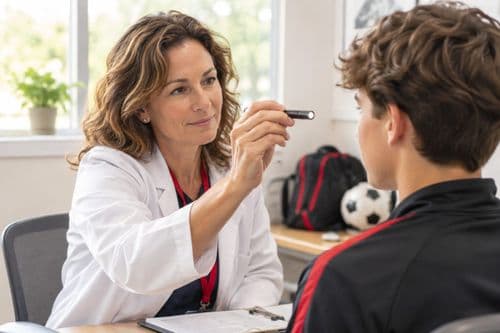
FDA: Traumatic Brain Injury

The FDA explains what traumatic brain injury is, its symptoms, how it is diagnosed, what the agency is doing about it......

FDA Alerts

08 November 2026

Post

FDA: Vaccination Is the Best Protection Against Measles

The FDA explains that approved measles vaccines are safe and effective, who is most at risk from measles.....

FDA Alerts

06 November 2026

Post

FDA: How to Properly Store E-Liquids

The FDA explains why e-liquids are dangerous for children and pets, how to store and handle them safely....

FDA Alerts

04 November 2026

Post

FDA: Know Your Treatment Options for COVID-19

The FDA explains COVID-19 treatment options, why talking to a health care professional right away matters...

FDA Alerts

02 November 2026

Post

FDA: It's a Good Time to Get Your Flu Vaccine

The FDA explains why getting a flu vaccine in the fall can lower your chances of getting the flu, and why a new vaccine is made every year....
Romorgniz Six-Drawer Dressers Sold On Amazon Recalled Over Child Tip-Over Risk

CDC Health Alerts

Consumer Product Recalls

CPSC

Crime Alerts

FDA Alerts

14 October 2026

Post

Romorgniz Six-Drawer Dressers Sold On Amazon Recalled Over Child Tip-Over Risk

Romorgniz is recalling about 12,078 Romorgniz Six-Drawer Dressers because they are unstable if they are not anchored to the wall and can tip over onto childr......
Snow Peak Takibi Propane Fireplace Inserts Recalled After Lava Rocks Explode

CDC Health Alerts

Consumer Product Recalls

CPSC

Crime Alerts

FDA Alerts

14 October 2026

Post

Snow Peak Takibi Propane Fireplace Inserts Recalled After Lava Rocks Explode

Snow Peak USA, Inc. of Portland, Oregon, is recalling its Snow Peak Takibi Fireplace Propane Inserts and Lava Rocks because the lava rocks can ignite and exp......
Boat Engines Produce Enough Carbon Monoxide to Kill in Minutes. Here Is Where It Builds Up.

CDC Health Alerts

Consumer Product Recalls

CPSC

Crime Alerts

FDA Alerts

14 October 2026

Post

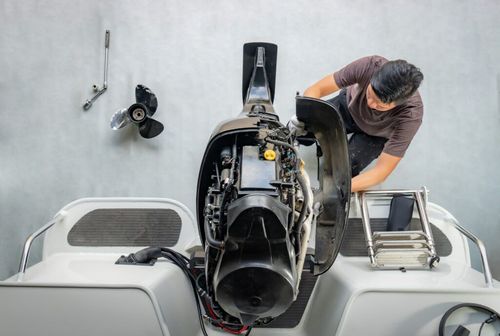
Boat Engines Produce Enough Carbon Monoxide to Kill in Minutes. Here Is Where It Builds Up.

Carbon monoxide poisoning is one of the leading causes of boating-related deaths in the United States — and unlike CO hazards in a home, boat CO can accumula......
Your Pool Heater Could Be Filling Your Backyard with a Gas That Kills in Minutes

CDC Health Alerts

Consumer Product Recalls

CPSC

Crime Alerts

FDA Alerts

14 October 2026

Post

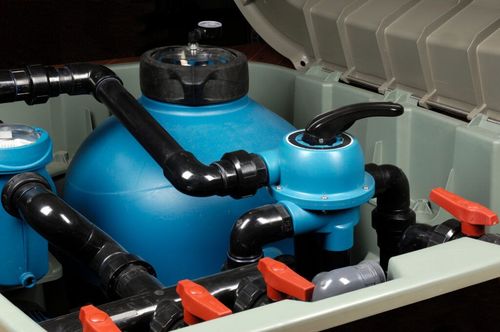
Your Pool Heater Could Be Filling Your Backyard with a Gas That Kills in Minutes

Gas-powered pool heaters produce carbon monoxide as a byproduct of combustion — and the U.S. Consumer Product Safety Commission (CPSC) warns that a malfuncti......
Holiday Decorations Cause Thousands of House Fires Every Year. Here Is What the CPSC Says to Stop Doing.

CDC Health Alerts

Consumer Product Recalls

CPSC

Crime Alerts

FDA Alerts

14 October 2026

Post

Holiday Decorations Cause Thousands of House Fires Every Year. Here Is What the CPSC Says to Stop Doing.

Every holiday season, Americans decorate their homes with lights, greenery, candles, and ornaments — and every holiday season, thousands of those homes catch......
The Garage Door Safety Test Most Homeowners Have Never Performed That Could Save a Child’s Life

CDC Health Alerts

Consumer Product Recalls

CPSC

Crime Alerts

FDA Alerts

14 October 2026

Post

The Garage Door Safety Test Most Homeowners Have Never Performed That Could Save a Child’s Life

Automatic garage doors are one of the largest moving mechanical objects in any American home — and the U.S. Consumer Product Safety Commission (CPSC) warns t......
The Electric Ride-On Toy That Can Reach Speeds Fast Enough to Seriously Injure Your Child

CDC Health Alerts

Consumer Product Recalls

CPSC

Crime Alerts

FDA Alerts

14 October 2026

Post

The Electric Ride-On Toy That Can Reach Speeds Fast Enough to Seriously Injure Your Child

Powered ride-on toys — electric cars, motorcycles, scooters, and ATVs designed for children — are among the most popular gifts of any holiday season. They ar......
14,000 Candle Fires Every Year. Here Is What the CPSC Says You Must Know

CDC Health Alerts

Consumer Product Recalls

CPSC

Crime Alerts

FDA Alerts

14 October 2026

Post

December Is the Deadliest Month for Candle Fires. Most Victims Were Asleep When the Fire Started.

Candles bring warmth and beauty to the holiday season — and they also cause thousands of home fires every year, with December consistently producing the high......
One Child Dies Every Two Weeks When a TV or Piece of Furniture Tips Over. Is Yours Anchored?

CDC Health Alerts

Consumer Product Recalls

CPSC

Crime Alerts

FDA Alerts

14 October 2026

Post

One Child Dies Every Two Weeks When a TV or Piece of Furniture Tips Over. Is Yours Anchored?

One child dies every two weeks in the United States when a television, piece of furniture, or appliance tips over and falls on them — and the U.S. Consumer P......
Lil Pick Up Recalls 4,900 Rex110 And Sierra110 Youth ATVs After One Child’s Death

CDC Health Alerts

Consumer Product Recalls

CPSC

Crime Alerts

FDA Alerts

14 October 2026

Post

Snowmobiles and ATVs Kill Over 800 People in Three Years. Are You Making These Deadly Mistakes?

Off-highway vehicles — including all-terrain vehicles, snowmobiles, recreational off-highway vehicles, and utility terrain vehicles — kill hundreds of Americ......
Terms and ConditionsDo Not Sell or Share My Personal InformationPrivacy PolicyPrivacy NoticeAccessibility NoticeUnsubscribe
This website is an independent platform that provides information and services related to health, wellness, and safety. We rely on publicly available information to provide accurate and up-to-date information to our users. However, we are not affiliated with any government entity, and the information provided on this website is for general informational purposes only. We do not guarantee the accuracy, completeness, or usefulness of any information provided on this website. Any reliance you place on such information is strictly at your own risk. We are not responsible for any loss or damage arising from your use of this website or any information contained herein. Furthermore, the information provided on this website is not intended to be a substitute for professional medical advice, diagnosis, or treatment. Always seek the advice of a qualified healthcare provider with any questions you may have regarding a medical condition. Finally, any product or service mentioned on this website is not intended to diagnose, treat, cure, or prevent any disease.
Copyright © 2026 Emergency Message System